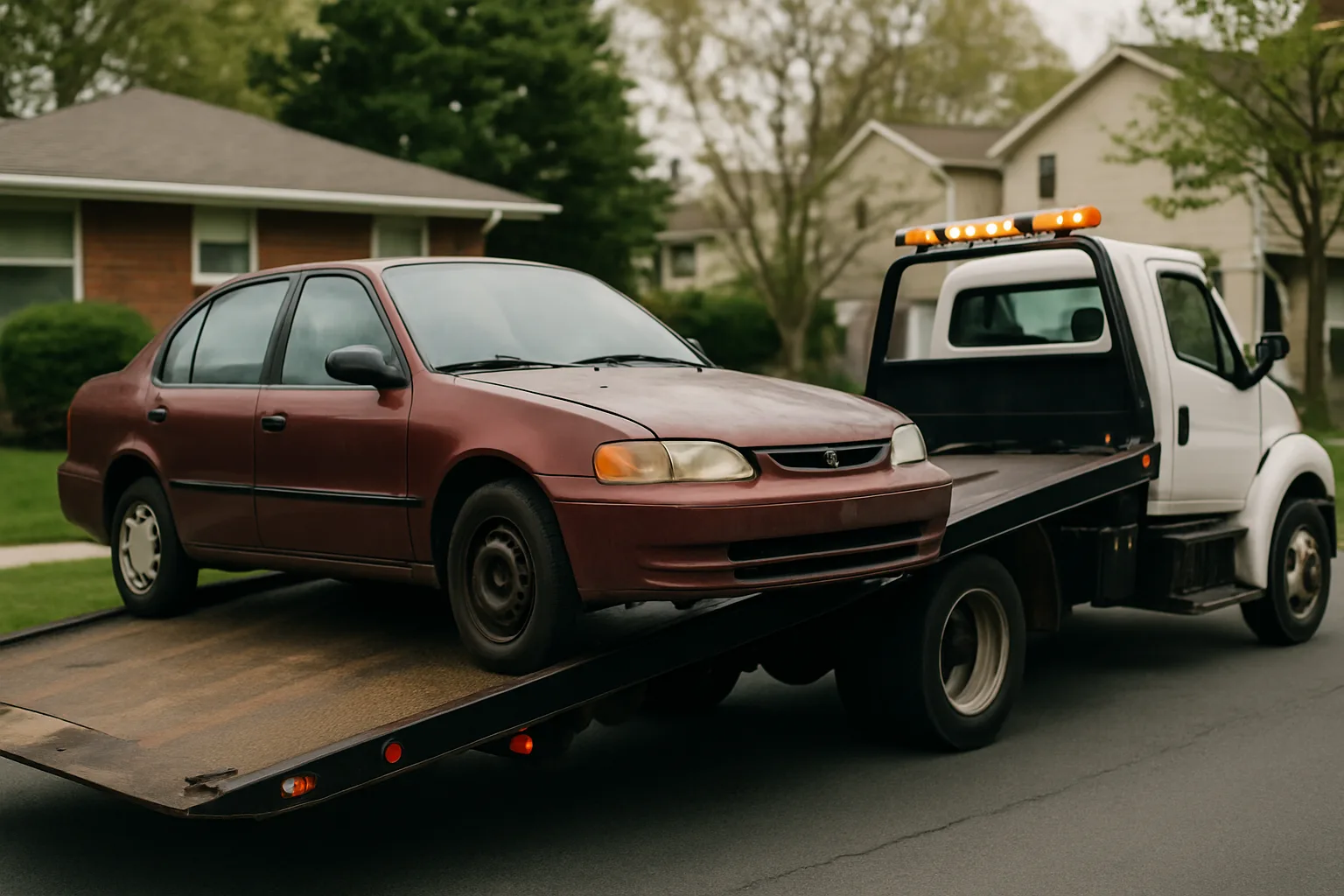
Can You Scrap a Car Without a Title in Canada? What Halifax Owners Need to Know
Here's a question that stops a lot of vehicle owners cold: your car is done, you're ready to move on, but you can't find the title. Maybe it got lost in a move. Maybe it was never transferred properly when you bought the car. Whatever the reason, you're now wondering if the whole deal falls apart without it. The short answer? Not necessarily — but the details matter, especially if you're looking for cash for cars Halifax and want to do everything by the book.
This isn't a rare situation. Thousands of Canadians each year discover they're holding onto a vehicle with missing or unclear documentation. Let's break down what actually happens, what Nova Scotia requires, and how to get your scrap car picked up without unnecessary headaches.
Why the Title Matters When You Scrap a Car
A vehicle title — formally called a Certificate of Title or Vehicle Registration depending on the province — is the legal document that proves ownership. When you sell or scrap a car, it's the clearest way to show a buyer or recycler that the vehicle is legitimately yours to transfer. Without it, a legitimate auto recycler has to do more due diligence before accepting the vehicle.
This matters for a few reasons:
- Stolen vehicle checks: Recyclers run VIN lookups to confirm a car isn't reported stolen. No title means more scrutiny, not less.
- Liability protection: If a vehicle is scrapped without proper documentation and a dispute arises later, both the seller and the recycler can face problems.
- Provincial compliance: Nova Scotia and other provinces have rules around vehicle disposals, and licensed recyclers are required to follow them.
None of this means you're stuck. It means the process requires a few extra steps — and knowing those steps upfront saves you a lot of frustration.
What Nova Scotia Actually Requires to Scrap a Vehicle
In Nova Scotia, the vehicle registration system is administered through Access Nova Scotia and the Registry of Motor Vehicles. When scrapping a vehicle, licensed auto recyclers typically require proof that you are the registered owner. That usually means presenting:
- Your current vehicle registration document
- Government-issued photo ID matching the name on the registration
- In some cases, a bill of sale if the vehicle changed hands informally
If you don't have the title or registration, your first move should be contacting Access Nova Scotia to request a replacement document. In many cases, if the vehicle is registered in your name in the provincial database, getting a replacement is straightforward. There may be a small administrative fee involved, but it's worth it to ensure a clean transaction.
For vehicles that were never properly transferred into your name — say, a car bought privately with a handshake deal — the process gets more complicated. You may need to trace the previous owner, obtain a statutory declaration, or in some cases apply for a court order to establish ownership. A licensed auto recycler or a lawyer can advise on the right path depending on your specific situation.
How Scrap Car Recyclers Handle No-Title Situations
Reputable auto recyclers in Canada deal with documentation gaps regularly. They're not going to turn away every car that comes in without a perfectly clean paper trail — but they do have responsibilities under provincial law to verify ownership before processing a vehicle.
Here's what most legitimate recyclers will do in a no-title scenario:
- Run a VIN lookup to check the vehicle's history, liens, and stolen status
- Request alternative ownership documentation (registration, insurance history, bill of sale)
- Ask for a statutory declaration — a sworn statement confirming you own the vehicle
- Cross-reference the name on your government ID against provincial registration records
Platforms like SMASH support this process by enabling detailed vehicle documentation at the point of listing — including photo documentation, serial tracking, and VIN verification. That kind of transparency gives buyers and recyclers more confidence, which means fewer delays even when paperwork is incomplete on the seller's end. When you sell your scrap car in Canada through a documented process, it protects everyone involved.
Cash for Cars Halifax: What Your Junk Car Is Actually Worth Without a Title
Let's talk money. One of the first things owners ask when scrapping a vehicle is: how much is my scrap car worth? The honest answer depends on several factors — and whether or not you have a title is one of them.
A missing title doesn't automatically lower the scrap value of your vehicle. Scrap car pricing is primarily based on weight, metal composition, and current market rates for steel and non-ferrous metals. A 2011 Honda Civic weighs roughly the same whether or not you can find the pink slip. What a missing title can affect is how quickly the deal moves and whether a recycler is willing to offer full market value upfront before documentation is resolved.
Factors that genuinely affect your scrap car's value in Halifax:
- Curb weight: Heavier vehicles (trucks, SUVs, full-size vans) generally return more scrap value
- Catalytic converter condition: Cats contain platinum group metals and can represent a significant portion of a car's scrap value
- Completeness: Cars stripped of valuable parts before scrapping are worth less
- Current steel prices: Scrap metal markets fluctuate. What your car is worth today may differ from what it's worth next month
- Condition of the drivetrain and body panels: Some parts may have resale value before the car goes to the shredder
If you want a rough estimate, a scrap car value calculator can give you a ballpark based on your vehicle's make, model, year, and weight. But for an accurate offer, you need a real quote from a real buyer who knows current market conditions in your area. You can schedule a free scrap car pickup and get that number without any obligation.
It's worth noting: avoid any operator who tries to significantly lowball you specifically because you're missing a title. The title affects the legal transfer process — it doesn't change how many kilograms of steel your car contains.
We Buy Junk Cars Halifax — What Legitimate Operators Require
If you're searching for we buy junk cars Halifax services, you'll find a range of operators — from licensed recyclers to informal buyers who may not be following provincial rules. Knowing the difference matters, especially when documentation is already a question mark.
A legitimate junk car buyer in Halifax will:
- Hold a valid Nova Scotia auto recycler or dealer license
- Comply with the Motor Vehicle Act and provincial environmental regulations for fluid drainage and disposal
- Provide a written receipt or bill of sale when the vehicle changes hands
- Never pressure you to skip documentation steps to "speed up the process"
- Offer free towing as part of their standard service — you should never pay to have a scrap car removed
That last point is critical. Free towing is the industry standard for scrap car removal in Canada. If someone quotes you a towing fee before handing over your car, that's a red flag. Reputable services absorb that cost because the vehicle itself has value.
SMASH connects vehicle sellers with vetted buyers across North America. The platform's auction format means your vehicle gets in front of multiple buyers, not just one — which is how you get actual market price discovery instead of a single low offer from the only person who called you back. Schedule free scrap car pickup in Canada and see what competitive buying looks like in practice.
Step-by-Step: How to Scrap Your Halifax Car Without a Full Title
If you're in Halifax and ready to move forward despite missing documentation, here's a practical path forward:
- Check what you do have. Dig out any registration slips, insurance documents, old bills of sale, or any paperwork with the VIN and your name on it.
- Run a VIN check. Use a free or paid VIN lookup tool to confirm there are no liens or stolen vehicle flags on the car. This protects you and speeds up the recycler's process.
- Contact Access Nova Scotia. If the car is registered in your name provincially, request a replacement registration document. This is usually the fastest resolution.
- Get a statutory declaration if needed. A notary or lawyer can help you prepare a sworn statement of ownership if provincial records aren't matching up cleanly.
- Get multiple quotes. Don't settle for the first offer. A platform like SMASH creates competitive bids so you're not leaving money on the table.
- Confirm free towing is included. Any quote you accept should include towing at no charge.
- Keep your paperwork. Once the transaction is complete, hold onto the bill of sale and any receipt the recycler provides. This proves the vehicle is no longer your responsibility.
For more guidance on the process, read Canadian scrap car guides that cover everything from documentation to maximizing your payout.
Halifax owners should also be aware of the local Halifax scrap metal services available — experienced operators who understand Nova Scotia's specific documentation requirements and can help you navigate the process smoothly.
The Bottom Line on Scrapping Without a Title
Missing a title slows things down — it doesn't shut them down. The key is working with licensed operators who know how to handle documentation gaps legally and transparently. Avoid anyone who tells you paperwork doesn't matter. Avoid anyone who charges you to tow the car. And avoid settling for a single lowball offer when competitive buyers exist.
Nova Scotia has clear rules around vehicle disposal, and following them protects you from liability once the car leaves your property. Do the documentation work upfront, get proper quotes, and make sure the recycler provides written confirmation that the vehicle has been transferred.
If you're ready to move forward, the team at sell-myscrapcar.ca makes it straightforward. Get a free, no-obligation quote — sell your scrap car in Canada the right way, with free towing included and real market pricing based on what your vehicle is actually worth today.
Disclaimer: Scrap metal prices fluctuate based on market conditions. Always confirm current rates directly with your buyer before finalizing any transaction.
Frequently Asked Questions
Q: Can I scrap a car without a title in Nova Scotia?
Yes, in many cases you can — but you'll need alternative documentation proving ownership. A current vehicle registration in your name, combined with photo ID, is typically accepted by licensed recyclers. If neither is available, you may need a statutory declaration or a replacement registration from Access Nova Scotia before the transaction can proceed.
Q: How do I get cash for cars in Halifax without full paperwork?
Start by gathering whatever documentation you have — registration slips, insurance records, old bills of sale. Contact Access Nova Scotia to see if a replacement registration can be issued. Then get quotes from licensed Halifax-area recyclers who can advise on exactly what they need to proceed. Never pay for towing as part of this process — that cost should always be on the buyer.
Q: Does a missing title lower my scrap car's value?
Not directly. Scrap car value is primarily based on the vehicle's weight, metal content, catalytic converter condition, and current market prices. A missing title affects the administrative process, but it doesn't change how much steel your car contains. Be cautious of buyers who use missing documentation as a reason to significantly reduce their offer.
Q: How long does free junk car removal take in Halifax?
Most reputable services in Halifax can schedule a free pickup within one to three business days once documentation is confirmed. If your paperwork is in order, same-day or next-day removal is sometimes possible. Documentation gaps may extend the timeline by a few days while ownership is verified.
Q: What happens to my scrap car after it's picked up?
Licensed auto recyclers in Canada follow a regulated process: fluids are drained and disposed of properly, reusable parts may be pulled and resold, and the remaining body is shredded and processed for steel and non-ferrous metal recovery. Recyclers are required to comply with provincial environmental standards throughout this process — which is one reason working with a licensed operator in Nova Scotia matters.
Stay on top of scrap metal market trends and pricing insights by following SMASH on LinkedIn — practical industry updates for Canadian recyclers and vehicle sellers, posted regularly.