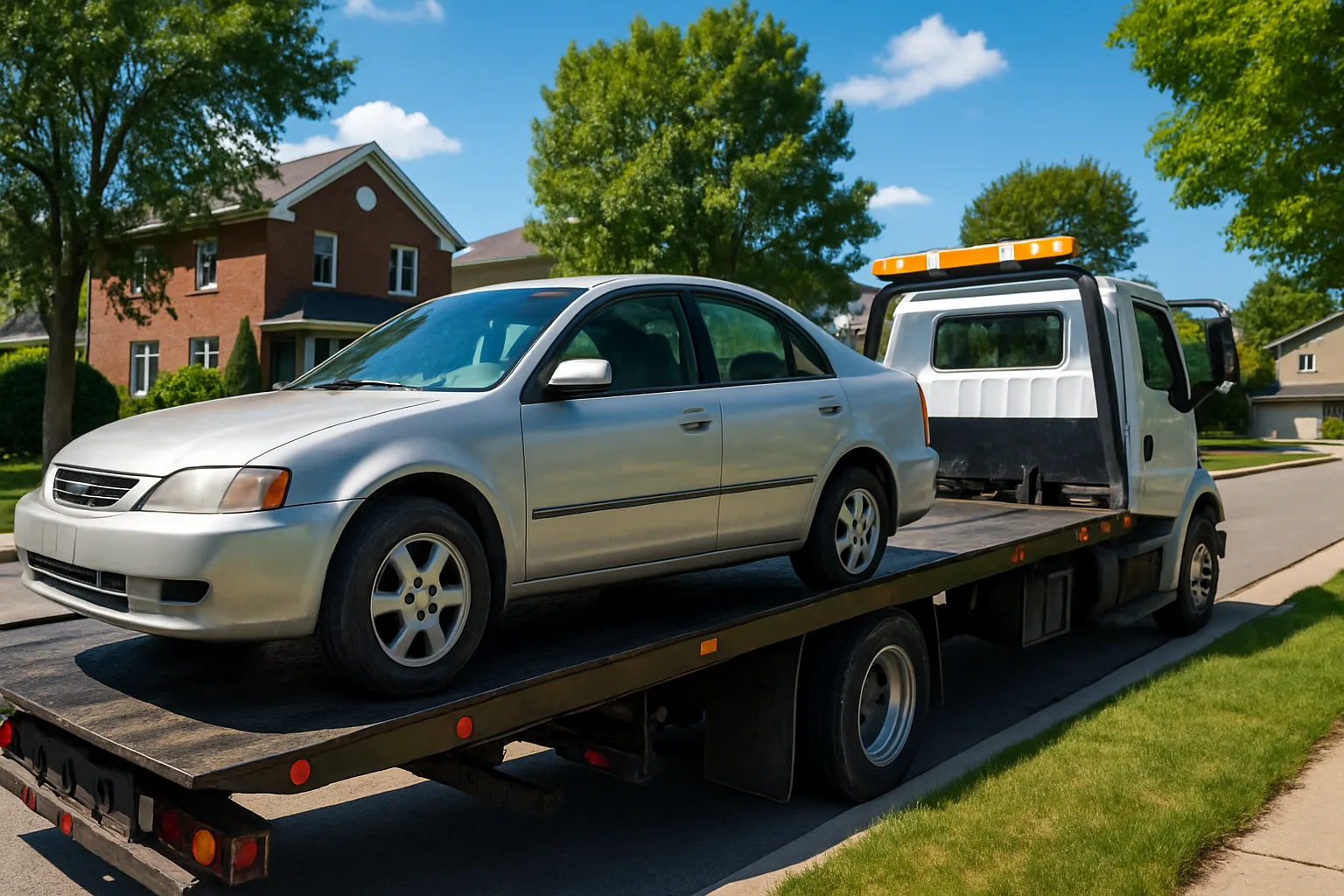
Catalytic converter theft is no longer just a big-city problem. In Quebec City, vehicle owners are dealing with the aftermath more often than most people realize — and the ripple effect on scrap car values is real. If you've got an end-of-life vehicle sitting in your driveway, understanding what's happening in the converter market right now could mean the difference between getting a fair deal and leaving money on the table.
This isn't a hypothetical. Theft rates for catalytic converters have surged across Canada over the past several years, and Quebec is no exception. The reason is simple: converters contain platinum group metals (PGMs) — platinum, palladium, and rhodium — that are worth serious money in the secondary market. That makes them an easy target for thieves and a complicated variable for anyone trying to sell your scrap car in Canada and get a fair price for it.
Whether your car still has its converter intact or it was already stolen before you decided to scrap the vehicle, here's what you need to know in 2026.
Why Catalytic Converters Are Still One of the Most Stolen Auto Parts in Canada
The metals inside a catalytic converter are genuinely valuable. Rhodium, palladium, and platinum don't come cheap — they're used in emissions control systems because they can withstand extreme heat and trigger chemical reactions that neutralize harmful exhaust gases. There's no cheap substitute. That scarcity is exactly what drives theft.
In Quebec City and across the province of Quebec, vehicle owners with trucks, SUVs, and older model cars face higher risk. Higher ground clearance makes it easier for thieves to slide under and cut the converter off in minutes. Hybrid vehicles like older Toyota Prius models are also prime targets because their converters tend to be less degraded — hybrids use the combustion engine less, so the PGMs inside stay cleaner and more valuable.
- Trucks and SUVs — easy access, larger converters, higher PGM load
- Older hybrids (2000–2015) — cleaner internal metals, high resale in secondary markets
- Commercial vans — often parked overnight, low surveillance, multiple units in one location
- Vehicles stored outdoors — especially over winter, when theft often spikes
If you've already had your converter stolen, you're not alone. And you still have options. Scrapping a vehicle without a catalytic converter doesn't mean you walk away empty-handed — but it does affect the quote you'll receive.
How a Missing Catalytic Converter Affects Your Scrap Car Value in Quebec City
Let's be direct: a car missing its catalytic converter is worth less than the same car with one. That's just the reality of how scrap car pricing works. Buyers factor in the total recoverable value of the vehicle — and a converter can represent a meaningful chunk of that total, depending on the make and model.
That said, the rest of the vehicle still holds value. The steel body, aluminum components, copper wiring, and other non-ferrous metals all contribute to the final quote. A 2009 Honda CRV missing its converter is still a 1,400-kilogram vehicle loaded with recoverable material. Don't assume your car is worthless just because one part was taken.
What you should do is be upfront about it. When you schedule a free scrap car pickup, tell the buyer exactly what's missing. Honest disclosure leads to accurate quotes — and it avoids situations where you're offered one price and then hit with a deduction at the time of pickup. Platforms like SMASH are built around that kind of transparency, where documented inventory and clear condition disclosures create better outcomes for both sides of the transaction.
Here's how a missing converter typically plays out in scrap car valuation:
- The buyer notes the converter is absent during intake or documentation
- The quote is adjusted to reflect the missing PGM value
- The remaining vehicle weight, condition, and metal mix determine the rest of the price
- Towing is often still free — the vehicle is still worth picking up
The B2B Side of the Story: How Converter Theft Disrupts the Scrap Supply Chain
For yards and buyers operating in the B2B scrap metal marketplace, catalytic converter theft creates a different set of headaches. Stolen converters flood the secondary market through informal channels, making it harder for legitimate recyclers to establish consistent supply and pricing. The knock-on effect is real: buyers become more cautious, documentation requirements tighten, and compliance costs rise.
In 2026, Canadian provinces — including Quebec — have moved to strengthen regulations around the purchase and resale of catalytic converters. Many jurisdictions now require buyers to record seller identification, vehicle VINs, and provenance documentation before accepting a converter. This is good news for legitimate scrap car sellers. It raises the bar for bad actors and creates a more level playing field for honest transactions.
SMASH addresses this directly on the B2B side. The platform uses VIN lookup, serial tracking, and photo documentation to create a clear paper trail for every transaction. That kind of infrastructure matters when regulators are watching the converter market closely. It's also what separates a professional B2B scrap metal marketplace from a back-channel deal that creates liability for everyone involved.
If you're a yard operator in Quebec City dealing with incoming vehicles that may have had converters removed before arrival, read Canadian scrap car guides to understand how documentation practices are evolving and what buyers expect from compliant sellers in 2026.
What Quebec City Vehicle Owners Should Do If Their Converter Was Stolen
If you're reading this because you walked out to your car and found a gaping hole where the converter used to be, here's the practical path forward. First, file a police report. This creates a record of the theft, which matters for insurance claims and — importantly — protects you when you go to scrap the vehicle. You don't want a buyer questioning whether the converter was stolen or sold separately without disclosure.
Second, get a quote anyway. Don't assume the car is unsellable. Many scrap car buyers in Quebec City will still offer cash for a vehicle with a missing converter, especially if the rest of the car is intact. The quote will reflect the missing part, but you're still looking at a vehicle with hundreds of kilograms of recoverable steel and aluminum.
Third, consider the math before paying for a replacement converter. In many cases, older vehicles with catalytic converters stolen aren't worth the repair cost. A new OEM converter for a 2008 Dodge Caravan can run well over $1,000 CAD installed — more than the vehicle itself might fetch in a private sale. Scrapping the car and using that cash toward something newer often makes more financial sense.
Here's a quick checklist for Quebec City vehicle owners dealing with a theft scenario:
- ✅ File a police report immediately and get the case number
- ✅ Contact your insurer — converter theft may be covered under comprehensive coverage
- ✅ Get at least two scrap quotes before accepting any offer
- ✅ Disclose the missing converter upfront to every buyer you contact
- ✅ Have your vehicle registration ready — it helps establish clean ownership
- ✅ Ask if towing is free — reputable services in Quebec won't charge you to haul a missing-converter vehicle
How SMASH Helps Bring Transparency to Scrap Car Sales Across Quebec
The old way of selling a scrap car — one phone call, one offer, take it or leave it — leaves too much on the table. That's especially true when you're already dealing with the financial hit of a stolen catalytic converter. You need a process that's transparent, documented, and connected to real buyer competition.
SMASH brings that structure to the scrap market. For yards and buyers operating across Quebec and the rest of Canada, the platform creates an auction environment where vetted buyers compete on price. Sellers get better price discovery. Buyers get documented inventory with photos, VIN verification, and clear condition notes. Nobody's guessing what they're getting.
For individual vehicle owners, platforms like SMASH working with Quebec City scrap metal services mean that the yard picking up your car is operating within a transparent system — one where pricing is tied to real market data, not one buyer's margin target. That matters when PGM values are fluctuating and converter theft has already taken a bite out of your vehicle's worth.
You can also explore free junk car removal across Canada if you want a straightforward removal experience with no hidden fees — whether your converter is intact or long gone.
If you're ready to stop letting your stripped-down car sit in the driveway collecting rust, the next step is simple. Get a quote, disclose the converter situation honestly, and let competition do the rest. Sell your scrap car in Canada and get a free quote at sell-myscrapcar.ca — it's the straightforward way to turn a frustrating situation into cash in your pocket.
Disclaimer: Scrap metal and vehicle prices fluctuate based on market conditions, metal commodity values, and regional demand. Always check current rates before accepting a quote.
Frequently Asked Questions
Q: Can I still sell my car for cash in Quebec City if the catalytic converter was stolen?
Yes. A missing catalytic converter reduces your vehicle's value, but it doesn't make it unsellable. The remaining steel, aluminum, and other recoverable materials still carry real weight. Disclose the missing converter upfront when you get quotes, and expect the offer to reflect that — but don't assume you'll walk away with nothing.
Q: How much does a stolen catalytic converter affect my scrap car quote?
It depends on the vehicle make, model, and the PGM load that converter typically carried. High-value converters from trucks, SUVs, and hybrids will have a more significant impact on the quote than a smaller passenger car converter. Get multiple quotes and ask each buyer to break down how they're pricing the vehicle.
Q: Do I need the title to sell my junk car in Quebec City?
In Quebec, vehicle ownership is tied to your vehicle registration rather than a U.S.-style title document. Having your current registration and government-issued ID is typically what buyers require to confirm clean ownership. If you've lost your registration, contact the SAAQ to get a replacement before arranging a pickup.
Q: Is towing really free when I sell my junk car for cash in Quebec City?
With reputable scrap car buyers, yes — towing is included at no cost to you. The buyer factors the pickup cost into their pricing model. Always confirm this before booking, and be wary of any service that quotes one price over the phone and then deducts a towing fee at the time of pickup.
Q: How do I know I'm getting a fair price when I sell my car for cash in Quebec City?
Get at least two or three quotes before committing. Pricing should reflect current scrap metal market rates, your vehicle's weight, condition, and which components are still present. Buyers operating through transparent platforms like SMASH use documented inventory and market data to back up their offers — which is a better foundation than a gut-feel phone quote from a single buyer.
---Stay current on scrap metal market trends and industry news — follow SMASH on LinkedIn for updates that matter to recyclers and vehicle sellers across Canada.