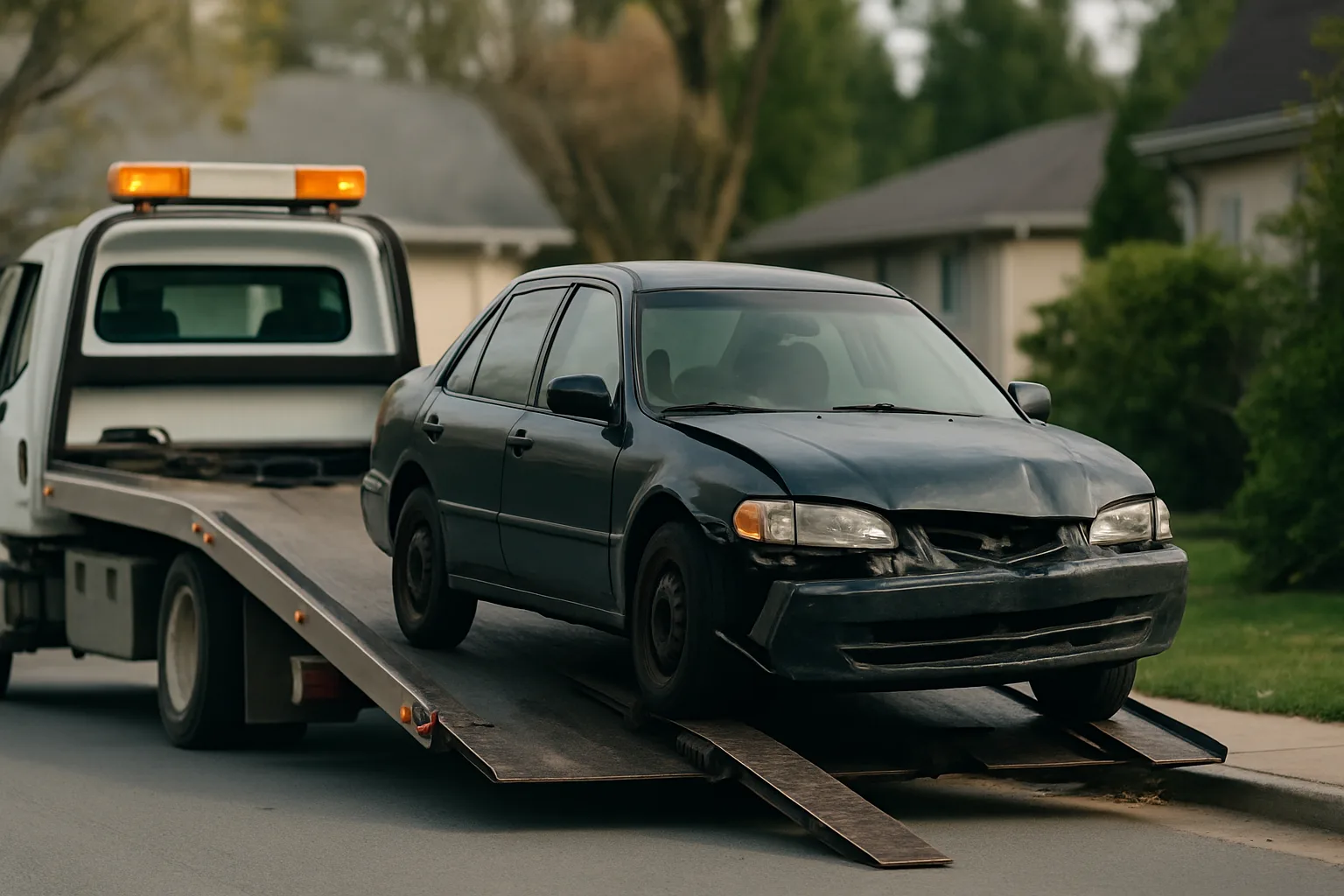
Flood-Damaged or Fire-Damaged Vehicle? Here's What It's Actually Worth — and How to Sell It Fast in Halifax
Most people assume a flood-damaged or fire-damaged car is worthless. That assumption costs them money. Damaged vehicles still contain recoverable scrap metal, salvageable parts, and in some cases, repairable components that buyers actively want. If you're sitting on a ruined vehicle in Halifax and wondering what to do next, you have more options than you think — and more value than your insurance company probably told you.
This guide breaks down the key differences between flood and fire damage, what each type of vehicle is worth in today's scrap market, and how to sell your scrap car in Canada without the runaround.
Flood-Damaged vs. Fire-Damaged Cars: What's the Real Difference When Selling?
Not all damaged vehicles are the same, and the type of damage significantly affects your selling options. Understanding what you're working with helps you set realistic expectations and target the right buyers from the start.
Flood-damaged vehicles often retain more structural integrity. The frame, body panels, and engine block may still be largely intact — even if the electrical system is fried and the interior is a write-off. Depending on how deep the water was and how long the car sat, the drivetrain components might be salvageable. Catalytic converters (cats), alternators, starters, and other non-ferrous components can hold real value even after a flood.
Fire-damaged vehicles are a different story. The damage tends to be more unpredictable. A car that burned from the engine bay outward might have a relatively intact cabin. A vehicle that caught fire from the interior may have a scorched shell but a usable drivetrain underneath. Fire also affects metal composition — intense, sustained heat can weaken structural steel and compromise catalytic converter substrates — so buyers price accordingly.
Here's a quick comparison:
- Flood damage: Electrical systems destroyed, interior ruined, possible rust acceleration, cats and mechanicals often intact
- Fire damage: Variable by origin point, body panels compromised, interior destroyed, metals may be heat-affected
- Both types: Still contain ferrous and non-ferrous scrap metal, may have salvageable parts, qualify for junk car removal programs
- Insurance total loss: Both are commonly written off by insurers — but written off doesn't mean worthless
The bottom line: both vehicle types have scrap and salvage value. The question is how you sell them and to whom.
What Factors Determine the Scrap Value of a Damaged Vehicle in Nova Scotia?
Whether you're dealing with a flood-soaked pickup or a fire-gutted sedan, several variables determine what you'll actually get paid. Understanding these factors helps you compare offers intelligently instead of just taking the first number someone throws at you.
Vehicle weight is the baseline. Scrap metal is priced per tonne. A full-size truck or SUV carries more raw steel than a compact — so it's worth more at the scale, regardless of damage. A mid-size sedan typically weighs between 1,300 and 1,600 kg. A half-ton pickup can hit 2,000 kg or more. That difference adds up when you're pricing scrap steel.
Metal content and condition matter beyond just weight. Non-ferrous metals — aluminum, copper wiring, brass fittings — command significantly higher prices per kilogram than steel. Flood vehicles often retain intact wiring harnesses and aluminum engine components. Fire vehicles may have compromised copper or melted aluminum, reducing non-ferrous recovery value.
Other key factors include:
- Catalytic converter presence: Cats contain platinum group metals (PGMs) — palladium, platinum, rhodium — and are often the highest-value single component on a scrap vehicle. Confirm yours is still attached before calling buyers.
- Year, make, and model: Older vehicles with fewer electronics may actually hold up better after flood damage. High-demand models have parts that salvage yards actively want.
- Completeness of the vehicle: A full car with all four wheels, the catalytic converter, and the battery is worth more than a stripped shell. Never let a tow company remove parts before the sale is finalized.
- Current scrap metal market prices: Steel, aluminum, and copper prices shift weekly. What your neighbor got six months ago may not be what the market pays today.
- Location: In Halifax, proximity to regional auto recyclers and scrap yards means lower logistics costs — which can translate to better offers for you.
Want to get a sense of what your vehicle might fetch? Tools like a scrap car value calculator Canada free estimate can give you a ballpark — but always verify with actual buyer quotes before committing. Platforms like SMASH give you competitive bids based on real market data, not guesswork.
5 Ways to Sell a Flood or Fire-Damaged Car — Ranked from Worst to Best
You've got options. Some are better than others. Here's an honest look at the common paths Halifax vehicle owners take when trying to move a damaged car, ranked from least to most effective.
-
Selling it privately "as-is"
Possible, but painful. Disclosing significant damage is a legal requirement in most provinces. Buyers are scarce, negotiation is brutal, and the timeline is unpredictable. Unless the vehicle is only partially damaged and still drivable, this path wastes time. -
Posting it on Facebook Marketplace or Kijiji
Better than nothing, but you're reaching a small, local pool of buyers — many of whom will lowball you or ghost you entirely. Damaged vehicles attract tire-kickers more than serious buyers. -
Calling one local scrap yard
This is the old way. One buyer, one number, take it or leave it. Without competition, you have no idea if that number reflects the actual market. The yard wins. You hope for the best. -
Going through your insurance company's salvage process
If your insurer totals the vehicle, they typically transfer the salvage title and move it to auction or a salvage company they work with. You usually have the option to retain the vehicle and accept a reduced payout — but navigating that process alone is complicated. -
Using a competitive scrap car platform like SMASH
This is the strongest option for most sellers. A scrap metal auction platform like SMASH puts your vehicle in front of vetted buyers who compete for the load — whether it's a flood-damaged SUV or a fire-gutted pickup. Competition drives better price discovery. You get transparency, documentation, and free towing in most cases. That's how you schedule a free scrap car pickup without the guesswork.
How to Sell My Junk Car Halifax: The Step-by-Step Process
If you're ready to move your damaged vehicle, here's exactly how the process works when you go through a platform built for this. No cold calls. No mystery pricing. No waiting weeks for someone to show up.
Step 1: Document what you have. Take clear photos of the vehicle from all angles — including the damage. Note whether the catalytic converter is still attached, whether the vehicle has a valid VIN, and whether you have the title or registration. Buyers need this information to make accurate offers. Good documentation almost always results in better bids.
Step 2: Get your quote. Submit your vehicle details through the platform. SMASH uses inventory tools, VIN lookup, and photo documentation to get buyers the information they need to compete. More buyer confidence means stronger offers.
Step 3: Review competitive bids. Instead of taking the first number from one local yard, you see what multiple vetted buyers are willing to pay. That's price discovery — and it's how you avoid leaving money on the table. For sellers asking "how do I sell my junk car Halifax and actually get paid fairly?", this is the answer.
Step 4: Accept an offer and schedule pickup. Free towing is standard. You don't need to move a flood-soaked or burned-out vehicle yourself — that's the buyer's job. Most pickups in the Halifax area happen within a few business days of accepting an offer.
Step 5: Get paid. Auto-invoicing handles the paperwork. You don't chase down payment or wonder where your money went.
It's worth checking out getmyscrapcar.ca as another resource for Canadian vehicle owners navigating the scrap and salvage process. And for broader scrap car guidance across Canada, read Canadian scrap car guides that cover everything from pricing to paperwork.
Common Mistakes Halifax Sellers Make With Damaged Vehicles
These mistakes show up constantly, and they all cost sellers money. If your vehicle was recently damaged, avoid these traps before you sign anything or hand over the keys.
- Removing the catalytic converter before selling. Buyers price the full vehicle. If the cat is missing, expect a lower offer — and some buyers will walk entirely. Let the buyer take it as part of the vehicle.
- Accepting the first offer without comparison. One number from one yard tells you nothing about market value. Get at least two or three competitive bids before deciding. A scrap metal auction platform does this automatically.
- Assuming flood damage means total loss scrap only. Some flood vehicles — especially those with clean, intact engines or low-mileage drivetrains — attract parts buyers who pay more than scrap weight alone would justify.
- Signing over the title before payment clears. Always confirm payment terms before handing over documentation. Reputable buyers make this clear upfront.
- Waiting too long. Flood-damaged vehicles rust faster. Fire-damaged vehicles are exposed to weather. Every week you leave a damaged vehicle sitting, its value may decline. Act within 30 days of the damage event if you can.
Halifax sellers dealing with Halifax scrap metal services should look for providers who offer transparent pricing, vetted buyer networks, and free towing — all without subscription fees or surprise deductions.
Scrap Car Pricing in Canada: What to Expect in 2026
Scrap metal prices in Canada fluctuate based on global commodity markets, domestic demand, and regional logistics. We won't invent specific numbers here — that would do you a disservice. What we can tell you is the framework.
Steel prices in 2026 continue to track global trade conditions and domestic manufacturing demand. Non-ferrous metals — aluminum, copper, and the platinum group metals in your catalytic converter — are priced separately and often represent a disproportionate share of a scrap vehicle's total value. A vehicle's cat alone can account for a meaningful percentage of the overall payout, depending on the make and model.
For Nova Scotia sellers, regional scrap yards and auto recyclers operate within national pricing bands, but local demand and logistics costs create variation. That's why a single-buyer quote from one local yard may be lower than what a competitive platform generates — because regional buyers on a national network compete against each other, not just against whoever's down the road.
Disclaimer: Scrap metal prices fluctuate based on market conditions. Always check current rates and get multiple quotes before selling. No price is guaranteed.
If you're ready to stop guessing and start getting real offers, sell your scrap car in Canada through a platform that puts competition to work for you. Whether your vehicle was damaged last week or has been sitting in your driveway for two years, there's a buyer who wants what you have.
Frequently Asked Questions
Q: Can I sell a flood-damaged car in Halifax if I don't have the title?
In Nova Scotia, you'll typically need proof of ownership to complete the sale of a scrap vehicle. This can include a valid registration, a title, or other documentation. Contact your local Access Nova Scotia office if your title was damaged or lost in the flood — replacement documents are available. Buyers on reputable platforms will ask for this upfront.
Q: How fast can I get my flood or fire-damaged car picked up in Halifax?
Most sellers using a free towing service in Halifax can expect pickup within two to five business days of accepting an offer, depending on the buyer and vehicle location. Some situations qualify for next-day pickup. The key is having your documentation ready and your vehicle accessible.
Q: Does a fire-damaged car still have scrap value?
Yes — almost always. The steel frame, remaining body panels, non-ferrous metals, and in many cases the catalytic converter all retain recoverable value. The total amount depends on how extensive the fire was and which components survived intact. Getting competitive bids is the best way to find out what your specific vehicle is worth.
Q: Is free towing actually free, or are there hidden fees?
Through SMASH and the sell-myscrapcar.ca service, towing is included in the transaction at no cost to the seller. There are no subscription fees, and no deductions for pickup. The offer you accept is the amount you receive. Always confirm terms in writing before scheduling your pickup.
Q: How is selling a junk car in Halifax different from selling in other Canadian cities?
The process is the same across Canada — document the vehicle, get competitive quotes, accept an offer, schedule free towing, get paid. Regional scrap prices may vary slightly based on local demand and proximity to processing facilities. Halifax sellers benefit from a strong regional auto recycling network throughout Nova Scotia, which supports competitive buyer interest.
If you've got a damaged vehicle sitting in your driveway in Halifax, don't let it depreciate further while you figure out your next move. Platforms like SMASH make it straightforward to get real offers from vetted buyers, with free towing and no subscription games. Get your free quote at sell-myscrapcar.ca and find out what your vehicle is actually worth today.
Follow SMASH on LinkedIn for scrap metal market updates, industry insights, and tips for getting the most out of your next sale.