From Your Driveway to the Recycling Floor: What Auto Recyclers Actually Do With Your Car
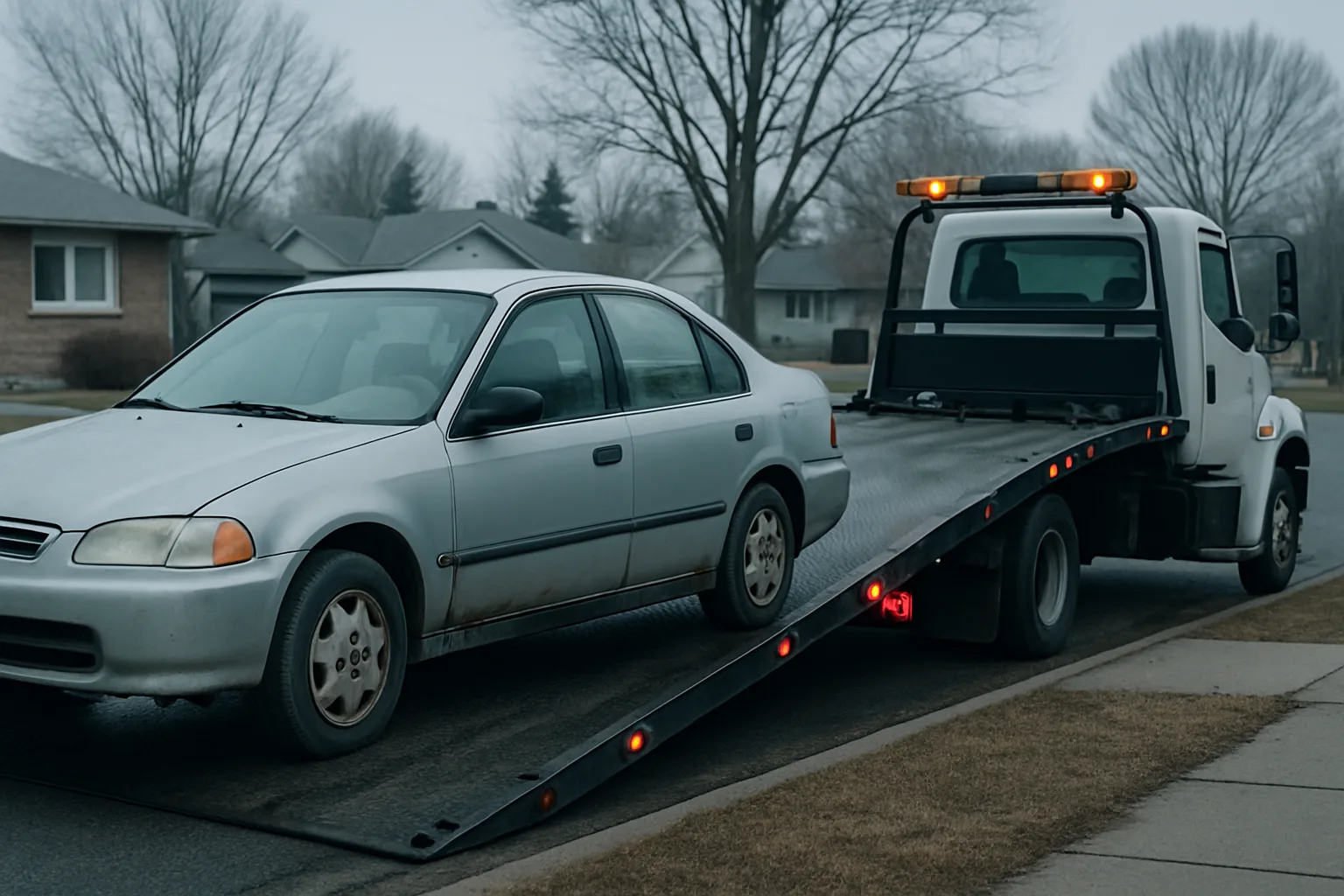
Most people hand over their keys, watch the tow truck pull away, and never think twice about what happens next. But if you're trying to sell my car for cash Sudbury and wondering whether you're getting a fair deal — understanding what happens after pickup can actually help you negotiate better and set smarter expectations. Auto recycling is a serious industrial process, not a junkyard free-for-all.
Here's a full breakdown of the journey your end-of-life vehicle takes — from your driveway in Sudbury, Ontario to its final form as recycled steel, copper wire, and reclaimed parts on a shelf.
Step One: Arrival, Assessment, and Inventory
When your vehicle arrives at a licensed auto recycler, it doesn't just get tossed in a pile. The first thing that happens is a formal intake assessment. The recycler logs the VIN, notes the condition of key components, and starts building an inventory of what the vehicle actually contains.
This matters more than most sellers realize. A 2012 Honda CR-V with an intact catalytic converter, functioning airbags, and low-rust body panels is worth significantly more to a recycler than a stripped shell. The intake assessment directly influences what the recycler paid for your car — and if you sold through a transparent platform, it's also what influenced your quote upfront.
- VIN verification: Confirms the vehicle matches the paperwork and flags any stolen vehicle alerts.
- Condition grading: Interior, exterior, drivetrain, and underbody are all assessed.
- Parts triage: Technicians identify which components can be resold, which need rebuilding, and which go straight to scrap.
- Fluid check: Coolant, oil, transmission fluid, and refrigerant levels are noted before depollution begins.
Platforms like SMASH have helped modernize this documentation layer. Photo documentation, serial tracking, and structured inventory tools mean buyers and recyclers are working from the same verified information — not a phone call and a guess.
Depollution: Pulling Out What Doesn't Belong in a Shredder
Before any vehicle gets crushed or shredded, it goes through depollution. This is a regulated step in Ontario and across Canada — and for good reason. A single end-of-life vehicle can contain several liters of hazardous fluids and materials that would be catastrophic if they ended up in a shredder or a landfill.
Licensed recyclers drain and safely capture every fluid in the vehicle. This is non-negotiable. Any recycler skipping this step is operating illegally and creating serious environmental liability.
Here's what gets removed during depollution:
- Engine oil and transmission fluid
- Coolant and antifreeze
- Power steering and brake fluid
- Refrigerant (from A/C systems)
- Fuel remaining in the tank
- Mercury switches (found in older vehicles)
- Airbag inflators (classified as hazardous)
- Lithium-ion or lead-acid batteries
Many of these fluids are reclaimed and recycled themselves. Used oil gets re-refined. Refrigerant gets recaptured and reused. The process is more sophisticated than most sellers expect when they sell your scrap car in Canada.
Parts Harvesting: Where the Real Value Gets Extracted
This is where your car's value gets unlocked. After depollution, skilled technicians strip the vehicle of every resalable component before it ever sees a crusher. For a recycler, this is the difference between a profitable vehicle and a barely-break-even load of shred.
High-value parts get pulled first. Catalytic converters — containing platinum, palladium, and rhodium — are some of the most valuable components on any vehicle. Engines and transmissions in working condition go into the used parts market. Body panels with minimal rust and no major damage are catalogued and stored for resale.
Parts that typically get harvested include:
- Catalytic converters — precious metal content makes these extremely valuable
- Engines and transmissions — resold to repair shops and individual buyers
- Doors, hoods, fenders — sold to body shops and collision repair centers
- Alternators, starters, and other electrical components — refurbished and resold
- Wheels, tires, and rims — depending on condition
- Seats and interior trim — if in acceptable condition
- Mirrors, headlights, tail lights — popular aftermarket demand
The used auto parts market in Canada is significant. When you schedule a free scrap car pickup, the quote you receive reflects the recycler's estimate of what your specific vehicle contains — not just its weight in steel.
This is also why condition matters so much when you're trying to sell my junk car Sudbury. A car that was in a rollover with a gutted interior and no cats gives a recycler far less to work with than a high-mileage daily driver that simply stopped running.
The Shredder: What's Left Becomes a Commodity
Once the parts have been harvested, what remains is the hulk — the bare shell of the vehicle. That hulk goes to a shredder. Industrial auto shredders are massive machines that reduce a vehicle shell to fist-sized pieces of mixed material in seconds. The output is called shredder feed, and it gets processed through a series of separation systems.
After shredding, the material stream gets separated:
- Ferrous metal (steel and iron): Pulled out by powerful magnets and baled for sale to steel mills.
- Non-ferrous metals (aluminum, copper, zinc): Separated by density and conductivity and sold into their respective commodity markets.
- Shredder residue (fluff): The remaining plastics, foam, glass, and rubber — currently the biggest environmental challenge in auto recycling.
The ferrous output — essentially crushed automotive steel — feeds directly into electric arc furnaces at steel mills. It becomes rebar, new automotive steel, appliances, and structural material. Your old car genuinely becomes something new.
For a B2B scrap metal marketplace like SMASH, this downstream commodity is where the auction model adds real value. Instead of a single buyer calling in a number, multiple vetted buyers compete on verified loads. Competition reveals the actual market price — not one buyer's margin target.
How Sudbury Yards Fit Into the Bigger Picture
Sudbury has a distinct place in the Ontario scrap ecosystem. The region's industrial history, combined with proximity to major northern Ontario mining corridors, means local auto recyclers often serve a broader catchment area than yards in southern Ontario metros. Trucks come in from Espanola, Chelmsford, Garson, and further north.
For sellers in the Sudbury area, this actually works in your favor. Active local yards with real volume mean competitive pricing and faster pickup times. If you're exploring Sudbury scrap metal services, you'll find a market that handles everything from personal vehicles to light commercial fleet disposals.
The read Canadian scrap car guides available at Sell My Scrap Car break down regional differences in scrap car pricing across Ontario — useful context if you're comparing quotes and want to understand what's driving the numbers you're seeing.
It's also worth noting that Ontario's end-of-life vehicle regulations require licensed recyclers to issue certificates of destruction or equivalent documentation. This protects you legally after the vehicle leaves your possession. Always confirm your recycler is licensed and that you receive proper paperwork.
What This Means for Your Payout When You Sell
Here's the practical takeaway. When you get a quote for your scrap vehicle, every step above is priced into that number — or should be. A recycler is estimating:
- The current scrap steel price per tonne
- Estimated non-ferrous recovery (aluminum, copper)
- Catalytic converter value, if present and intact
- Resalable parts value, based on make, model, year, and condition
- Towing and logistics costs
- Depollution and processing overhead
If you're only getting quoted on the steel weight, you may be leaving money on the table. Transparent platforms and competitive quoting — the way SMASH structures its B2B scrap metal marketplace — give recyclers an incentive to price accurately because they're competing against each other, not just offering a take-it-or-leave-it number.
Whether you're in Sudbury or anywhere else in Canada, the smartest move is to get multiple quotes and understand what's driving the price. If you want to explore scrap car removal in Canada at GetMyScrapCar, you'll find additional options for comparing offers and understanding your vehicle's actual market value.
Ready to move your end-of-life vehicle out of the driveway? Sell your scrap car in Canada and get a free quote at sell-myscrapcar.ca — free towing, no runaround, and a straightforward process from your driveway to the recycling floor.
Disclaimer: Scrap metal prices fluctuate based on commodity markets. Check current rates when requesting your quote.
Frequently Asked Questions
Q: How long does it take to get paid when I sell my car for cash in Sudbury?
Most licensed scrap car buyers in Sudbury pay at the time of pickup or within one to two business days by e-transfer or cheque. Confirm payment method and timing before the tow truck arrives. Same-day cash or e-transfer is common for straightforward transactions.
Q: Do I need a title to sell my junk car in Sudbury?
In Ontario, having your vehicle ownership (the provincial equivalent of a title) significantly smooths the process. Some recyclers will work with you if you have other proof of ownership, but requirements vary. Contact your buyer ahead of pickup to confirm exactly what documentation they need.
Q: What happens to my personal information stored in the car — like GPS or connected apps?
Modern vehicles store data through infotainment systems, Bluetooth pairing, and connected car apps. Before your car gets picked up, perform a factory reset on the infotainment system, unpair your phone, and deactivate any connected services through the manufacturer's app or website. This protects your personal data after the vehicle leaves your hands.
Q: Will I get more money if my car still runs versus if it doesn't?
Not always — and not dramatically. A running vehicle may attract buyers looking for a cheap daily driver, but scrap buyers price primarily on metal content, parts value, and condition rather than whether the engine turns over. A non-running car in solid overall condition can command a strong scrap price. Get quotes either way and compare.
Q: Does free towing actually mean no hidden fees?
With reputable buyers, yes. Free towing means the pickup cost is factored into your quote — not subtracted after the fact. Always confirm in writing before booking that the quoted amount is what you receive after towing. If a buyer tries to deduct towing fees at pickup that weren't disclosed upfront, that's a red flag.
---Follow SMASH on LinkedIn for weekly scrap metal market insights, commodity price context, and updates from across the North American recycling industry.