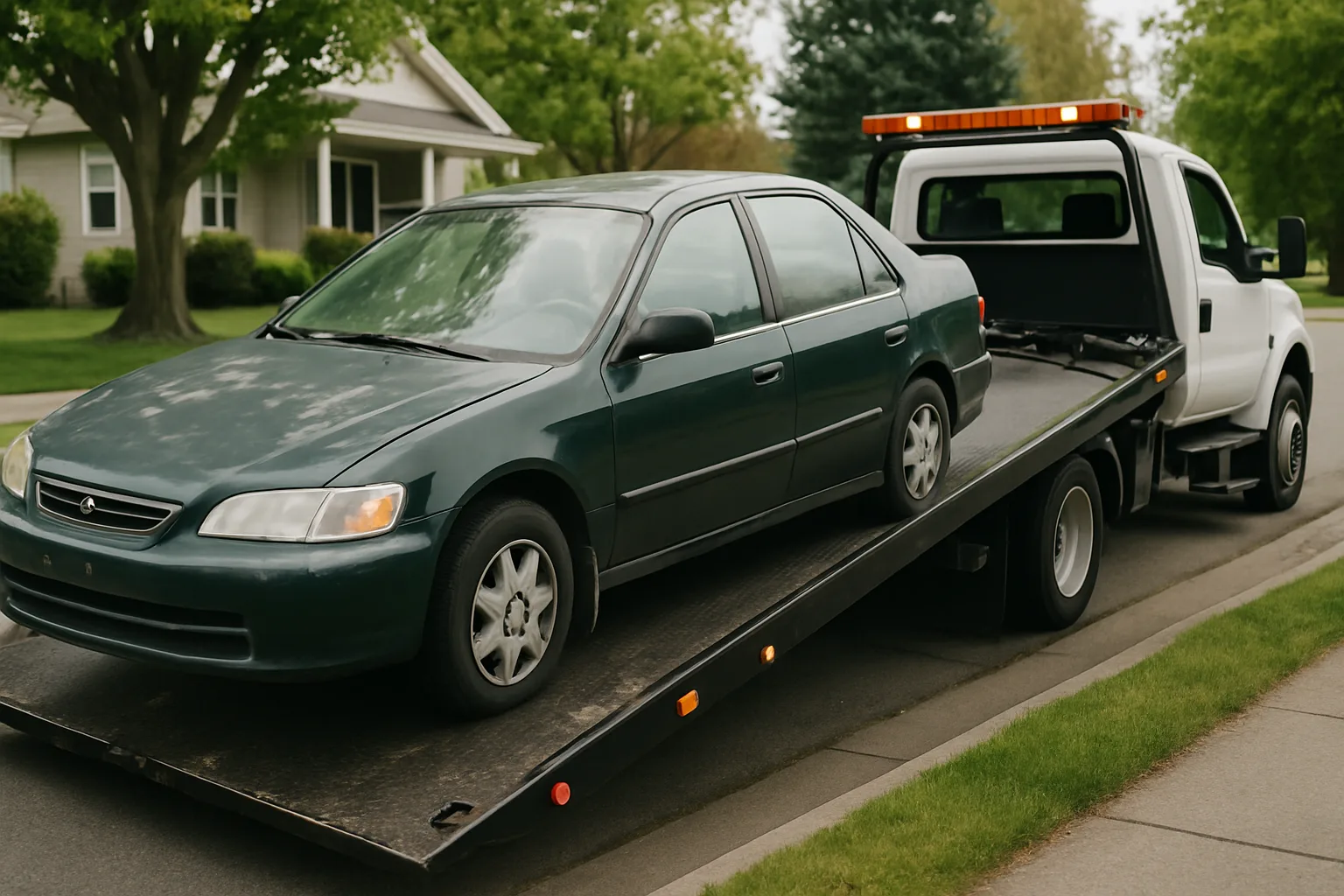
Most people remember to cancel their Netflix subscription. Fewer remember to cancel their car insurance after scrapping a vehicle — and that oversight can cost them hundreds of dollars a year in premiums they don't owe.
If you've recently arranged free scrap car pickup Vancouver, or you're about to, cancelling your insurance is one of the most important steps in the process. It's not complicated. But timing matters, and there are a few things you need to know before you call your broker.
This guide walks you through exactly what to do — in the right order — so you don't overpay, don't leave yourself exposed, and don't run into paperwork headaches later.
Why the Order of Operations Matters When You Scrap a Car
Here's where most people get this wrong: they cancel their insurance before the car is actually gone. That sounds logical. Why pay for coverage on a vehicle you're done with? But in British Columbia, a vehicle that's still registered in your name is still technically your responsibility — even if it's sitting dead in your driveway.
If something happens to that vehicle before the tow truck arrives — a fire, a flood, someone breaking in — you want coverage in place. Don't cancel your policy until the car has physically left your property and the title transfer or scrapping paperwork is complete.
The correct sequence looks like this:
- Get a quote and book your junk car removal Vancouver pickup
- Sign over the ownership paperwork on pickup day
- Confirm the vehicle has been removed
- Cancel or adjust your insurance policy
- Return your licence plates to ICBC (if applicable)
- Notify the provincial registry that the vehicle has been scrapped
That order protects you at every step. Skipping or rearranging those steps is how people end up with gaps in coverage or, worse, continuing to pay for a car they no longer own.
How to Cancel Your Insurance in British Columbia
In British Columbia, auto insurance is provided through ICBC — the Insurance Corporation of British Columbia — either directly or through a broker. This makes the cancellation process fairly straightforward compared to provinces where you're juggling private insurers with varying cancellation policies and penalty clauses.
Once your vehicle has been picked up and scrapped, here's what you do:
- Contact your ICBC Autoplan broker. You can do this in person, by phone, or online through some broker offices. Have your policy number ready.
- Provide proof of disposal. This is usually the scrap receipt or the signed bill of sale from the tow company. If you used a licensed recycler, they'll provide documentation.
- Return your licence plates. In B.C., plates belong to you, not the vehicle. You can transfer them to a new vehicle or return them to ICBC. If you return them, you may be eligible for a refund on your unused registration.
- Request your refund calculation. ICBC will calculate any unused premium. Depending on how far into your policy year you are, this refund can be meaningful — especially on older vehicles with higher basic insurance rates.
Most brokers can process a cancellation same-day. If your vehicle was removed on a Monday, you could have your cancellation and refund calculation confirmed by end of week. Don't sit on this. Every extra week you delay is money left on the table.
What Happens to Your Plates and Registration
This is where British Columbia differs from most other provinces, and it trips people up. Your licence plates in B.C. are yours — they follow you, not the vehicle. When you scrap a car, you don't hand the plates to the scrapper. You physically remove them before the tow truck takes the vehicle.
If you're buying a new or replacement vehicle, you can transfer those plates directly. If you're not replacing the vehicle right away, return the plates to any Autoplan broker location. Returning them promptly also stops any ongoing registration fees from accumulating.
You'll also want to make sure the vehicle's registration is cancelled in the provincial system. When a licensed auto recycler processes a vehicle, they typically file the necessary paperwork with the province. Ask for written confirmation. You don't want a vehicle that's been crushed still showing up as registered in your name six months from now.
For read Canadian scrap car guides covering other provinces — including Ontario, Alberta, and Quebec — registration and plate rules vary significantly. If you've moved recently or have vehicles registered in multiple provinces, double-check the rules for each jurisdiction.
Scrap Car Removal in Vancouver: Getting the Paperwork Right From the Start
The easiest way to avoid insurance headaches is to work with a removal service that handles the paperwork properly from day one. Not every junk car buyer does. Some informal buyers won't provide documentation, which leaves you in a grey zone with your insurer and the provincial registry.
When you sell your scrap car in Canada through a legitimate service, you should receive:
- A signed bill of sale or transfer of ownership confirmation
- A scrap receipt or certificate of destruction (if the vehicle is going to a licensed recycler)
- Clear documentation of the transaction date and vehicle details
That documentation is what your insurance broker will ask for when you cancel your policy. If you can't produce it, the cancellation process slows down. If you're arranging junk car removal Vancouver with a reputable service, this paperwork is standard — not something you need to chase down.
Platforms like SMASH operate in this space differently than a single-buyer phone call. SMASH connects sellers with vetted buyers through a competitive auction format, which means the transaction is documented, the pricing is transparent, and the paperwork trail is clean. More buyers bidding on your vehicle also means better price discovery — you're not guessing at what your car is worth, and you're not accepting the first number someone throws at you. schedule a free scrap car pickup and you'll see how a documented, competitive process compares to the old way of doing things.
How Scrap Metal Recycling in Canada Affects Your Vehicle's Value
Before you cancel your insurance, it's worth understanding what your vehicle is actually worth at the scrap yard. The value of a junk car isn't random — it's tied directly to scrap metal recycling Canada-wide commodity prices, the weight of the vehicle, and whether it has any reusable parts.
A full-size pickup truck weighs considerably more than a compact sedan. More weight means more scrap steel. If your truck has an intact catalytic converter, that adds non-ferrous metal value on top of the steel. Buyers look at all of this when making an offer.
Here's what generally affects your scrap car's value:
- Vehicle weight. Heavier vehicles yield more steel. A half-ton truck will typically outvalue a subcompact at the scale.
- Catalytic converter condition. Cats contain platinum group metals. If yours is intact, it's worth more than scrap steel alone.
- Current steel prices. Scrap steel prices fluctuate with global demand. What a car is worth today may differ from what it's worth next month.
- Reusable parts. Engines, transmissions, and body panels in good condition increase a vehicle's value to dismantlers.
- Location. Getting your vehicle to a buyer or recycler costs money. If you're in a remote area, logistics affect your net offer.
Prices fluctuate — always check current rates before accepting an offer. What's true today may shift by next week depending on steel markets. SMASH creates competition among buyers, which helps surface the actual market rate rather than a single buyer's lowball offer. That's how price discovery is supposed to work.
If you're looking at explore scrap car removal in Canada at GetMyScrapCar, you'll find additional options for getting your vehicle removed quickly and fairly across the country.
After the Car Is Gone: Your Insurance Cancellation Checklist
Once your vehicle has been towed away and you have your paperwork in hand, work through this checklist before you consider the job done:
- Remove your plates before the tow truck arrives. In B.C., this is your responsibility.
- Contact your Autoplan broker within a few days. Don't let this sit for weeks.
- Provide your scrap or sale documentation. This is what triggers the cancellation.
- Confirm the refund amount. Ask your broker to calculate any unused premium.
- Return plates or transfer them to your next vehicle. Don't leave plates sitting unregistered.
- Verify the vehicle is removed from your provincial registration records. Ask for written confirmation from the recycler or follow up with ICBC.
- Update any roadside assistance memberships. CAA and similar programs are tied to your vehicle — update or cancel those too.
Running through this list the week your car is removed keeps everything clean. You won't be getting renewal notices for a vehicle you no longer own. You won't be paying premiums on a crushed shell at a recycling facility somewhere in Vancouver scrap metal services. And you'll have a clean paper trail if any questions come up later.
Whether you're scrapping a car that's been sitting in your driveway in Burnaby, Richmond, or North Vancouver, the process is the same across the Lower Mainland. British Columbia's ICBC system actually makes this simpler than provinces with fragmented private insurance markets — take advantage of that.
Ready to start? If you haven't booked your pickup yet, sell your scrap car in Canada through a service that handles the paperwork properly — so your insurance cancellation goes smoothly on the other end. Getting a fair price and a clean exit from your old vehicle is entirely doable. You just need to do it in the right order.
Frequently Asked Questions
Q: Can I cancel my car insurance before the scrap car is picked up in Vancouver?
You can, but it's not recommended. Until the vehicle is off your property and the ownership is transferred, you carry some liability. Cancel your insurance after the pickup is complete and you have documentation in hand.
Q: Will ICBC give me a refund if I cancel my insurance mid-term to scrap my car?
Yes, in most cases ICBC will calculate a refund for any unused portion of your premium. The exact amount depends on how far into your policy year you are and the type of coverage you had. Ask your Autoplan broker for a refund calculation when you submit your cancellation.
Q: Do I need to hand over my licence plates when I get free scrap car pickup in Vancouver?
No. In British Columbia, your licence plates belong to you, not the vehicle. Remove them before the tow truck takes your car. You can transfer the plates to a new vehicle or return them to any Autoplan broker location.
Q: What documents do I need to cancel my insurance after scrapping my car?
Your insurance broker will typically ask for a signed bill of sale, a scrap receipt, or a certificate of destruction from the recycler. This confirms the vehicle is no longer in your possession and allows the broker to process the cancellation.
Q: How long does it take to cancel car insurance after junk car removal in Vancouver?
Most Autoplan brokers can process the cancellation the same day you bring in your documentation. Once submitted, refund calculations are usually provided quickly. The whole process can be wrapped up within a week of your vehicle being removed.
Follow SMASH on LinkedIn for scrap metal market insights, industry updates, and practical tips for getting more out of every load you sell.
```