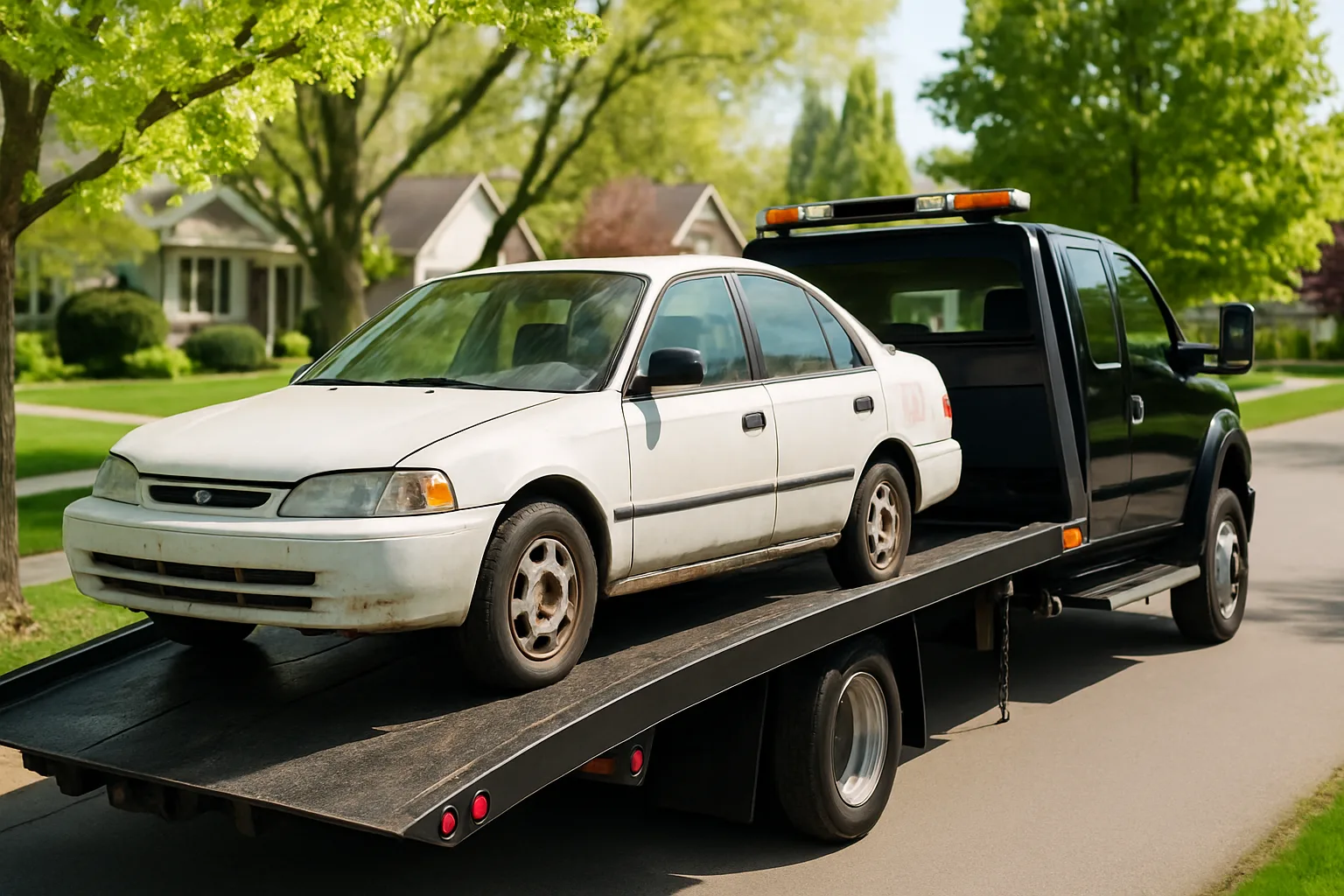
Most vehicle owners assume scrap car prices are fixed — a flat rate based on the weight of metal sitting in their driveway. The reality is more complicated, and more interesting. The season you choose to sell can shift what you walk away with, sometimes significantly. If you're looking to sell scrap car Nanaimo, understanding how weather patterns and seasonal demand cycles affect pricing puts money back in your pocket.
This isn't theory. Scrap metal markets move with economic forces — and those forces don't ignore the calendar. From steel mill demand spikes to the logistics nightmare of winter towing, timing your sale is a real lever you can pull.
Why Scrap Car Prices Aren't a Fixed Number
Scrap car pricing comes down to a few core variables: the weight of ferrous metal in your vehicle, the value of recoverable non-ferrous components (aluminum, copper, catalytic converters), and the current market demand from buyers and processors. None of these are static. Steel prices fluctuate week to week based on manufacturing output, export demand, and raw material availability. When mills are buying aggressively, scrap yards pay more per tonne. When they're sitting on inventory, they don't.
On top of commodity swings, local logistics play a huge role. A vehicle sitting in a driveway in Nanaimo has towing costs attached to it. Fuel prices, labor availability, and road conditions all factor into what a buyer is willing to offer. What looks like a pricing decision is actually a combination of global commodity markets and very local operational costs.
Platforms like SMASH — a scrap metal auction platform — exist precisely because single-buyer pricing hides this complexity from sellers. When only one buyer sets your price, you have no idea if you're leaving money on the table. Competition reveals the actual market.
How Season and Weather Directly Affect Free Scrap Car Pickup Nanaimo
Nanaimo sits on the east coast of Vancouver Island, which means it avoids the extreme winters that hit inland British Columbia hard. But "mild" is relative. Wet winters, frost-covered driveways, and occasional snowfall on higher terrain still create real friction for tow operators and scrap buyers. That friction shows up in pricing.
Here's how each season typically plays out for scrap car sellers:
- Winter (December – February): Demand for scrap vehicles often softens. Tow trucks face more difficult road conditions. Labor costs rise. Some buyers pull back on volume. Sellers in Nanaimo may find fewer competitive offers, and free scrap car pickup Nanaimo availability can tighten if operators are managing routes carefully.
- Spring (March – May): This is historically the strongest window for sellers. Scrap yards clean out inventory, steel mills ramp up production ahead of summer construction season, and buyers are competing for loads. If your car has been sitting through winter, spring is the time to move it.
- Summer (June – August): Demand stays solid but can plateau. Construction is active, which supports steel prices, but high temperatures and vacation schedules can slow processing at some yards. Still a strong window, especially for vehicles with intact catalytic converters and recoverable parts.
- Fall (September – November): A mixed picture. Early fall often brings a secondary demand peak as mills prepare for winter inventory. Late fall can soften as buyers get cautious heading into slower winter months. Acting before November typically yields better results than waiting.
The takeaway: if you're currently sitting on a junk car in Nanaimo, fall 2026 is a reasonable window — but don't wait until the holiday season creeps in and buyer activity slows.
The Weight of Your Car and What Seasons Do to It
A typical passenger vehicle weighs between 1,200 and 1,800 kilograms. Most of that is steel. The per-tonne rate your buyer applies to that steel is the biggest single variable in your payout. A $50 per tonne swing — which is not uncommon across seasons — translates to $60–$90 on a mid-size sedan. That's real money when you expected nothing.
Beyond the steel, recoverable components matter too. Catalytic converters contain platinum group metals (PGMs) — palladium, rhodium, and platinum — whose market values are independent of steel cycles. These metals respond to automotive manufacturing output and emissions regulation enforcement globally. A vehicle with an intact catalytic converter can be worth meaningfully more than one that's been stripped. Document what's on your vehicle before you sell.
Winter weather accelerates corrosion. A car that spends another winter sitting exposed loses recoverable value — rubber seals crack, electronics corrode, and copper wiring degrades. Waiting until "a better time" often costs more than the seasonal pricing difference would gain. If the car isn't running, move it sooner rather than later. You can sell your scrap car in Canada without it being roadworthy — but its condition still affects price.
What the Scrap Metal Auction Model Changes for Sellers in British Columbia
The traditional path for scrap car sellers in British Columbia is straightforward: call one yard, accept their offer, wait for pickup. That process is convenient, but it's not competitive. You're accepting a price set by a single buyer who has no incentive to offer you more than the minimum you'll take.
This is where SMASH changes the equation. As a scrap metal auction platform, SMASH connects sellers with vetted buyers who compete for loads. When multiple buyers are bidding on your vehicle, price discovery happens in real time. You're not guessing at market value — you're watching the market express it. More buyers means better price discovery, full stop.
The platform also handles the documentation side: photo documentation, inventory tracking, VIN lookup, and auto-invoicing. For sellers, that means less back-and-forth and a cleaner transaction. For buyers, it means confidence in what they're bidding on — which translates to more competitive offers on your end.
If you're comparing junk car dealers near me or trying to figure out which local yard pays the most, the smarter question is whether you're giving any single yard the chance to underbid you unchecked. You can also schedule a free scrap car pickup through services that prioritize competitive pricing over convenience-for-the-buyer.
Nanaimo-Specific Factors That Affect Your Scrap Car Value
Nanaimo's geography creates some unique dynamics. Being on Vancouver Island means your vehicle isn't just going to the nearest mainland processor — logistics matter here. Ferry transport for bulk loads affects buyer cost structures. Local scrap yards on the island absorb some volume, but larger processors on the Lower Mainland are part of the supply chain. That extra logistics layer can affect what buyers offer.
The upside: Nanaimo has a steady base of vehicle owners, a consistent supply of end-of-life cars, and access to Nanaimo scrap metal services that understand local towing and processing realities. Buyers who operate here regularly have built those costs into their models. You're not paying a premium for island logistics — you're dealing with operators who've already priced it in.
Seasonal road conditions in the Nanaimo region tend to be more forgiving than interior British Columbia, which helps tow operators maintain consistent service windows. That means free scrap car pickup Nanaimo is generally available year-round — though spring and summer tend to see faster turnaround times as operators run higher volumes.
For more context on how scrap car markets work across Canada, read Canadian scrap car guides that break down regional pricing factors, what to expect from the process, and how to avoid leaving money on the table.
How to Time Your Sale and Get the Most Out of Your Junk Car
You don't need to watch commodity markets daily to make a smart decision. A few practical steps get you most of the way there:
- Get multiple quotes. Don't accept the first offer from a single buyer. Use platforms that bring competition to your transaction.
- Document your vehicle thoroughly. Photos, VIN, condition notes, and whether the catalytic converter is intact. Buyers pay more when they know what they're getting.
- Sell before winter if possible. If you're sitting on a non-running vehicle in Nanaimo, late fall is the last solid window before winter softens demand and accelerates your vehicle's deterioration.
- Don't strip parts unless you know what you're doing. Removing a catalytic converter improperly or stripping copper wiring can reduce buyer confidence and overall offer value.
- Factor in free towing. A slightly lower offer with free towing included often beats a higher quote that charges for pickup. Read the actual terms before you commit.
If you want to skip the research entirely, schedule free scrap car pickup in Canada and let the process work on your behalf. The goal is to turn a parked liability into cash — efficiently, and at a fair price.
Right now in September 2026, the fall window is open. Steel demand is active, tow operators are running full schedules, and buyers are still competitive before the winter slowdown sets in. If your vehicle has been sitting in your driveway through summer, this is a practical time to act. sell your scrap car in Canada and move on — a free quote at sell-myscrapcar.ca takes less than five minutes.
Disclaimer: Scrap metal prices fluctuate based on market conditions, location, and vehicle specifics. Always check current rates before finalizing a sale.
Frequently Asked Questions
Q: Does the season really affect how much I get for my scrap car in Nanaimo?
Yes, it does. Spring and early fall tend to bring stronger buyer demand and more competitive offers, while winter often softens the market as logistics costs rise and some buyers pull back on volume. Nanaimo's mild climate helps, but seasonal pricing patterns still apply.
Q: Is free scrap car pickup available in Nanaimo year-round?
Generally, yes. Nanaimo's weather conditions allow tow operators to run consistent service throughout the year. Summer and fall typically see faster pickup turnaround due to higher volume and better road conditions. Winter pickups are still available but may take slightly longer to schedule.
Q: How do I know if I'm getting a fair price when I sell my scrap car in British Columbia?
The best signal is competition. When multiple buyers are bidding on your vehicle, you see the real market rate rather than a single buyer's lowball. Platforms like SMASH use an auction model to create that competition, which can reveal a truer value for your load.
Q: My car has a catalytic converter — does that change the price?
It can, significantly. Catalytic converters contain platinum group metals that hold independent value from steel pricing. An intact converter typically increases your overall offer. Document it clearly with photos when you request a quote.
Q: How long does it take to sell a junk car and get free towing in Nanaimo?
In most cases, you can get a quote within 24 hours and arrange pickup within a few business days. Timing can vary based on operator availability and season, but the process is designed to be fast and require minimal effort from you beyond providing basic vehicle details.
Stay current on scrap metal market shifts, pricing trends, and industry news by following SMASH on LinkedIn — useful if you're selling regularly or just want to know what's driving the market.