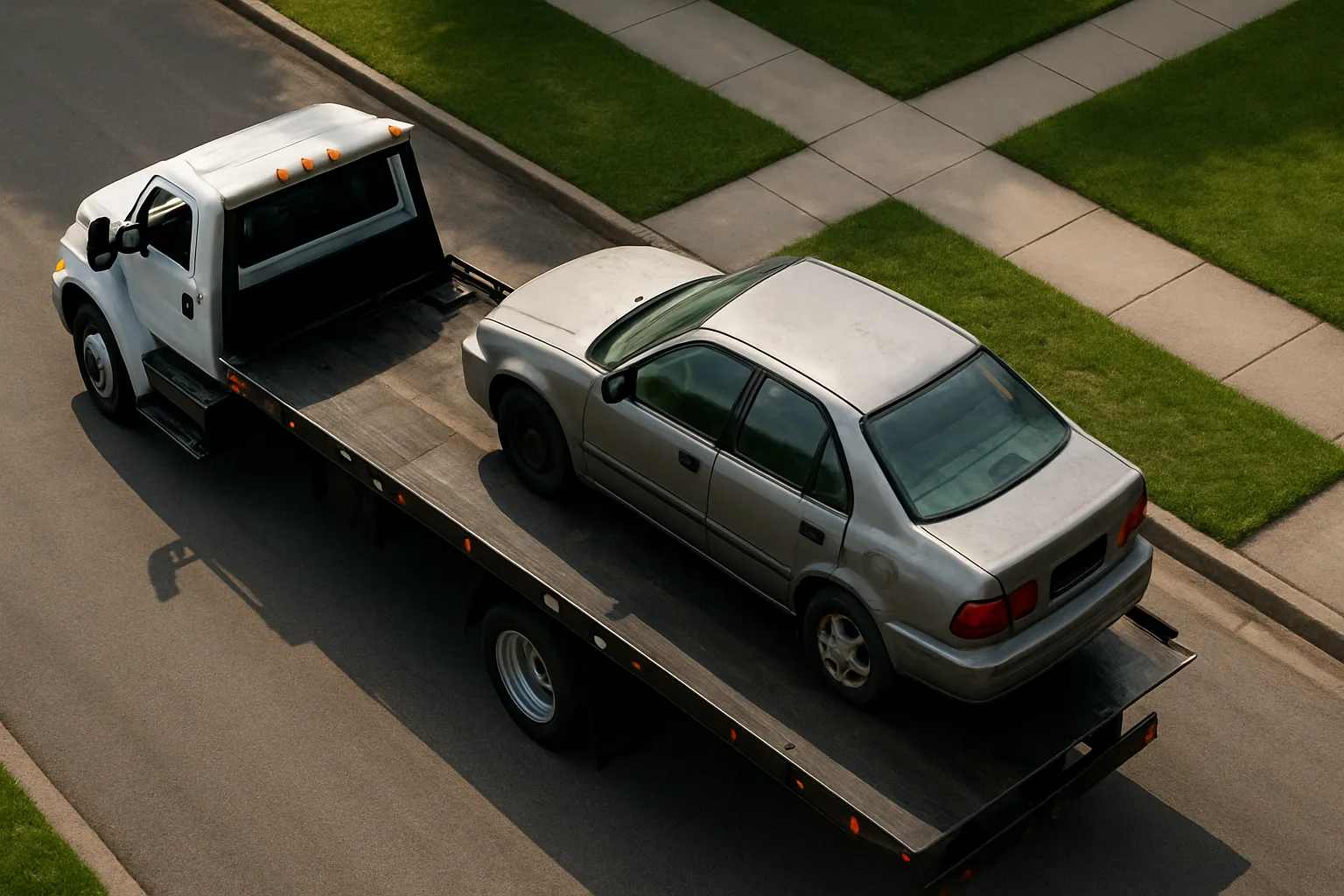
Why the Time of Year You Scrap Your Car Can Change What You Get for It
Most people think scrap car prices come down to one thing: what your vehicle weighs. Hand it over, get paid by the pound, done. But experienced yard operators and auto recyclers across Canada know the truth — the calendar plays a bigger role in your payout than most sellers ever realize. If you're looking to sell my car for cash Longueuil, understanding seasonal price swings can genuinely put more money in your pocket.
This isn't abstract theory. It's supply and demand working in real time, shaped by weather, global commodity cycles, and how Canadian winters actually affect the scrap metal supply chain. Here's what you need to know before you call a junk car buyer.
How Canadian Seasons Drive Scrap Metal Supply — and What That Means for Your Payout
Canada's climate creates predictable patterns in the scrap car market. Late fall and winter — roughly November through February — tend to suppress vehicle turnover in Quebec and across the country. Roads are icy, tow trucks face rougher conditions, and many vehicle owners simply wait until spring before making a move on that dead car sitting in the driveway.
That winter slowdown creates a supply dip. Fewer vehicles hitting the market means recyclers and auto dismantlers have fewer units to process. When spring arrives — typically late March into May — supply surges. People clean out driveways, garages get emptied, and the phones at junk car buyers ring off the hook. That surge in supply can soften per-vehicle payouts because buyers have more inventory options.
- Winter (Nov–Feb): Lower vehicle supply. Towing logistics are harder. Prices can be relatively stable or firmer due to tighter supply.
- Spring (Mar–May): Supply spikes. High competition among sellers. Buyers have choices, which can moderate offers.
- Summer (Jun–Aug): Steady market. Strong construction activity drives steel demand, which can support scrap pricing.
- Fall (Sep–Oct): Often a sweet spot — supply is normalizing, buyers are still active, and steel mills are restocking before winter slowdowns.
None of this means you should try to perfectly time the market. But knowing these patterns helps you make a smarter decision rather than just calling the first number you find when you're ready to sell.
Steel Demand, Mill Activity, and Why Global Commodity Cycles Hit Local Scrap Prices
Scrap metal — including the ferrous steel stripped from your old sedan or minivan — doesn't exist in a vacuum. Canadian auto recyclers sell processed scrap to steel mills, and those mills operate on purchasing cycles tied to production schedules, export demand, and construction activity. When mill demand is high, scrap prices rise. When mills slow down or push back purchasing, prices drop — and that trickles down to what you get when you sell your scrap car in Canada.
In 2026, North American steel production has remained active but not without volatility. Tariff pressures on imported steel — ongoing since the mid-2020s — have kept domestic mills busier than they otherwise might be, which is generally a positive signal for scrap feedstock demand. That said, global economic conditions, energy costs at mills, and export competitiveness all influence pricing week to week.
This is exactly where platforms like SMASH — a vetted B2B scrap metal marketplace — give buyers and recyclers an edge. Instead of one buyer making a take-it-or-leave-it offer based on what their mill contact told them last Thursday, a competitive auction format exposes your material to multiple vetted buyers. More buyers means better price discovery. That's not a slogan — it's just how markets work.
What Your Specific Vehicle Is Worth by Season — and Why Non-Ferrous Parts Matter
Your car isn't just a pile of steel. Depending on the make, model, and year, it carries non-ferrous metals — aluminum in engine blocks and wheels, copper in wiring harnesses, and if you're lucky, a catalytic converter with meaningful platinum-group metal content. These components often have more value than the bulk steel weight, and their prices move differently than ferrous scrap.
Aluminum, for example, tends to follow construction and manufacturing demand cycles. Copper tracks global infrastructure spending and energy transition projects — EV infrastructure buildout has kept copper demand elevated through 2025 and into 2026. When you sell my junk car Longueuil without understanding these component values, you may be leaving money on the table if a buyer is bundling it all into a flat bulk offer.
Here's what affects the non-ferrous value of your specific vehicle:
- Engine type: Aluminum-block engines (common in late-model vehicles) carry more non-ferrous value than older iron blocks.
- Catalytic converter presence: Cats are a significant value driver. A functioning cat from a late-model V6 can add meaningfully to your payout — but a missing or gutted cat does the opposite.
- Wiring intact: Stripped vehicles with harvested copper lose value fast.
- Wheels: OEM aluminum alloy wheels have aftermarket and scrap value. Steel rims, less so.
Seasonally, when recyclers are busy and processing volume is high (spring through early fall), there's more bandwidth to assess and price individual components properly. In slower winter months, some buyers default to flat-weight offers because throughput is down and labor is stretched. Getting a transparent, itemized offer matters — and platforms built around documentation, photo evidence, and competitive bidding help make that happen.
Longueuil and Quebec: Local Market Conditions That Affect What You're Offered
If you're based in Longueuil or the greater Quebec region, you're operating in a specific market with its own dynamics. Quebec's winters are genuinely punishing — road salt is heavy, and vehicles deteriorate faster than in drier climates. That means the average scrap vehicle coming off Quebec roads tends to have more corrosion, which affects body panel value and sometimes structural integrity assessments by recyclers.
That said, Longueuil's proximity to Montreal gives you access to a dense network of auto recyclers, dismantlers, and scrap processors. That competition among buyers is an advantage for sellers — if you know how to use it. Calling one buyer and taking the first number you hear is the old way. Letting multiple buyers compete for your load is how you find out what the market actually thinks your vehicle is worth.
Quebec sellers also benefit from strong pickup logistics networks. Free towing is increasingly standard — the cost is built into the buyer's margin, not passed back to you as a deduction. If someone is quoting you a great price but then subtracting a towing fee at the end, that's a red flag. Schedule a free scrap car pickup and make sure the number you're quoted is the number that lands in your hand.
For anyone navigating the Quebec market for the first time, it helps to read Canadian scrap car guides that break down regional pricing factors, what documentation you need, and how to compare offers without getting burned by lowball tactics.
The Role of Documentation and Transparency in Getting a Fair Price Year-Round
Here's something that doesn't change by season: documented vehicles sell better. A seller who can show clear photos, provide a VIN, and confirm whether the cat is intact is going to have a stronger negotiating position than someone calling in with vague details about "an old Civic in the backyard."
This is where SMASH's approach to scrap transactions stands out from the old phone-call model. Photo documentation, VIN lookup, and serial tracking create a verifiable record of what you're selling. Vetted buyers on the platform know what they're bidding on. That reduces the lowball adjustment that often happens at pickup — where a buyer who quoted high over the phone suddenly finds "issues" with the vehicle and drops the number. Documented inventory gives buyers more confidence, and that confidence shows up in the offer.
If you're dealing with a vehicle that has no title — which happens more than people admit — it's worth knowing that many legitimate junk car buyers will work with you on alternative documentation. The term "junk car buyers near me for cash no title" gets searched often for good reason. Laws around title requirements vary by province, and Quebec has its own transfer rules, so confirm what's needed before you commit to a buyer.
Want to explore your options beyond one local buyer? You can also schedule free scrap car pickup in Canada through a service built to make the process straightforward, regardless of where you're located.
Timing Your Sale: A Practical Summary for Longueuil Sellers
You don't need to become a commodity trader to sell a scrap car intelligently. But a few practical principles help:
- Don't rush into the first spring offer. Spring supply surges give buyers more choices. If you can hold a week or two, let the initial flood pass.
- Fall can be a strong window. Supply normalizes, buyers are still active, and mills are often restocking before year-end. September and October have historically been solid months for scrap pricing.
- Know what's on your vehicle before you call. Is the cat intact? Do you have aluminum wheels? Does it run or roll? These details change your number.
- Get multiple offers. One phone call is not a market. Platforms that put your vehicle in front of multiple buyers are the closest thing to a real-time price check.
- Confirm towing is included. Free towing should mean free towing — no deductions at pickup.
The scrap car market isn't random. It responds to weather, seasons, commodity cycles, and buyer competition — just like any other market. Understanding those forces doesn't require an economics degree. It just requires not taking the first number you hear as gospel.
Ready to find out what your vehicle is actually worth in today's market? Sell your scrap car in Canada through a process built around real offers, free pickup, and no guesswork. Get your free quote at sell-myscrapcar.ca — and stop leaving money in the driveway.
Disclaimer: Scrap car prices fluctuate based on commodity markets, vehicle condition, and regional demand. Always check current rates before committing to a sale.
Frequently Asked Questions
Q: When is the best time of year to sell my car for cash in Longueuil?
Fall — particularly September and October — tends to be a strong window in Quebec. Supply normalizes after the spring rush, buyers remain active, and steel mills are often in restocking mode. That said, pricing depends heavily on current commodity markets, so getting multiple quotes at any time of year is always smart.
Q: Does weather actually affect scrap car prices, or is it just about vehicle weight?
Both matter, but weather affects supply levels significantly. Quebec's winters slow vehicle turnover, which can tighten supply and stabilize prices. The spring thaw brings a flood of vehicles to market, which gives buyers more options and can moderate what they offer per unit. Knowing this cycle helps you time your sale more strategically.
Q: Can I sell my junk car in Longueuil if I don't have the title?
Many junk car buyers in Quebec will work with you if you have alternative proof of ownership. Requirements vary, so confirm what documentation your buyer accepts before agreeing to a deal. Some platforms and services specialize in no-title situations and can walk you through Quebec's transfer process.
Q: Is free towing actually free, or are there hidden deductions?
It should be genuinely free — the towing cost is built into the buyer's margin, not deducted from your payout at pickup. Be cautious of buyers who quote a high number and then subtract towing fees at the door. Confirm upfront that the quoted price is the final amount you receive.
Q: How does a B2B scrap metal marketplace like SMASH affect what I get for my scrap car?
Platforms like SMASH introduce competition among buyers, which supports better price discovery. Instead of one buyer making a flat offer, multiple vetted buyers bid on your material. That competition can surface a more accurate market price than a single cold call ever will. It also introduces documentation and transparency that protects sellers from lowball adjustments at pickup.
Stay current on scrap metal market trends and pricing insights — follow SMASH on LinkedIn for weekly industry updates that help you sell smarter.