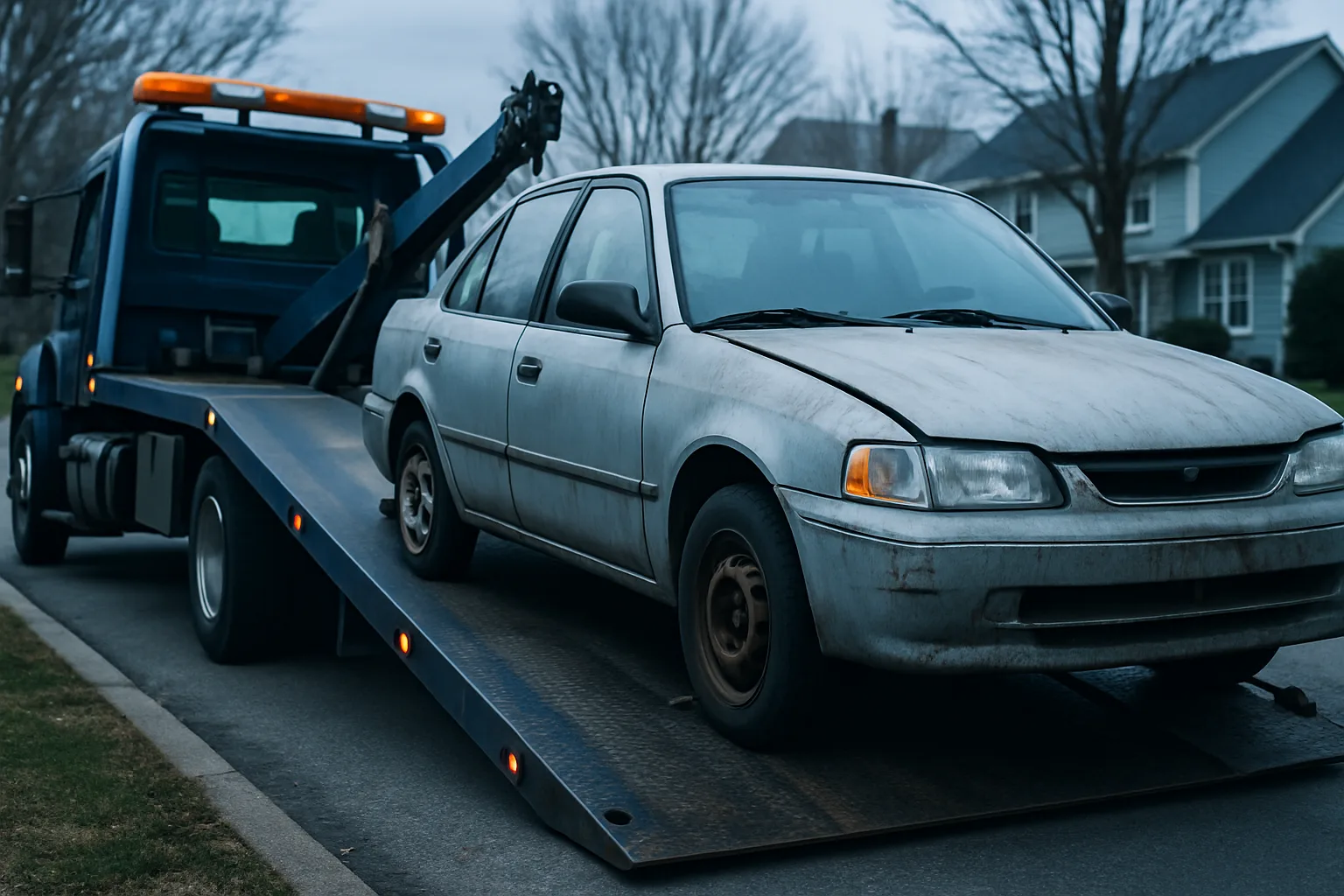
Most people assume scrapping a car is just about getting rid of a problem. Hand over the keys, take a cheque, done. But there's a bigger story happening at the yard — and understanding it can help you make smarter decisions about scrap car value today. The recycling process behind your end-of-life vehicle is more sophisticated than most owners realize, and the better documented and prepared your car is, the more competitive your offers tend to be.
This case study walks through what actually happens when a vehicle enters the recycling stream — from your driveway in Gatineau all the way to the smelter — and shows how platforms like SMASH are changing what that process looks like for yards and sellers alike.
---The Old Way: One Call, One Offer, No Leverage
For decades, selling a junk car followed the same script. You called a local wrecker, they gave you a number, you took it or left it. If you left it, you called the next number on the list and started over. There was no way to know if the first offer was fair, low, or generous. You were guessing, and so were they.
That process hasn't just been inconvenient — it's been expensive. Without competition, buyers have little incentive to sharpen their offers. The seller absorbs that cost without even knowing it. A vehicle sitting in a Gatineau driveway with a functioning catalytic converter, intact copper wiring, and a solid aluminum engine block has real recoverable value. But if only one buyer looks at it, that value often stays with the buyer, not the seller.
The ecosystem has been slow to modernize. Phone calls, paper BOLs, handshake prices — these still dominate large parts of the Canadian auto recycling industry. That's starting to change, but not fast enough for most individual sellers.
---What Eco-Friendly Car Disposal Actually Looks Like in 2026
The term "eco-friendly car disposal" gets thrown around loosely. Here's what it actually means at a reputable auto recycler operating in Quebec or anywhere across Canada.
Before a vehicle is crushed or dismantled, a certified recycler will run through a strict depollution process. Every step matters — both for regulatory compliance and for maximizing the value of what gets recovered.
- Fluid extraction: Engine oil, transmission fluid, brake fluid, coolant, power steering fluid, and refrigerants are all drained and collected separately. These can't legally enter the waste stream or the ground.
- Battery removal: Lead-acid batteries are pulled and sent to dedicated battery recyclers. EV battery packs go through a separate, more controlled process.
- Catalytic converter removal: This is one of the highest-value components on most vehicles. Cats contain platinum, palladium, and rhodium — all recoverable precious metals. Accurate serial tracking and VIN documentation here is critical.
- Tire and glass separation: Tires are diverted from landfill. Glass gets separated for cullet recycling.
- Airbag depowering: Undeployed airbags are treated as hazardous material and handled accordingly.
After depollution, the vehicle body is either parted out (if there's demand for used OEM components) or crushed and shredded. The shredded material gets separated into ferrous metals, non-ferrous metals, and automotive shredder residue (ASR). Ferrous goes to steel mills. Non-ferrous — aluminum, copper, zinc — goes to non-ferrous processors. The goal of a well-run recycler is to recover as close to 100% of usable material as possible.
In Quebec, auto recyclers operate under provincial environmental regulations that align with the broader Canadian framework. A compliant recycler isn't just doing the right thing — they're also protecting you from liability once the vehicle changes hands.
---How Scrap Car Value Today Is Actually Calculated
This is where sellers consistently get surprised. Scrap car value today isn't just about the weight of the steel in the body. It's a composite number built from several recoverable streams.
Here's what drives the number:
- Ferrous metal content: The body, frame, and engine block are mostly steel. Weight matters here, and so does current scrap steel pricing — which fluctuates with global demand.
- Non-ferrous components: Aluminum wheels, copper wiring harnesses, brass fittings, and aluminum engine components all carry a premium over steel pricing.
- Catalytic converter value: Depending on the make, model, and year, a cat can be worth anywhere from a modest sum to several hundred dollars on its own. Larger vehicles and certain Japanese and North American trucks are known for higher-value cats.
- Usable parts demand: If your vehicle model has a strong market for used OEM parts — door panels, alternators, starters, transmissions — a recycler may pay more to acquire the whole vehicle.
- Condition and completeness: A vehicle with its catalytic converter, battery, and major components intact is worth more than a stripped shell. Documentation — photos, VIN lookup, service records — gives buyers confidence and can support stronger offers.
When you sell your scrap car in Canada, understanding this breakdown puts you in a better position to evaluate what you're being offered. It also explains why a single phone call to a single buyer rarely produces the best outcome.
Disclaimer: Scrap metal prices fluctuate based on global commodity markets. Always check current rates before accepting an offer.
---The SMASH Difference: Bringing B2B Competition to End-of-Life Vehicles
Here's where the case study gets concrete. SMASH — a B2B scrap metal marketplace operating across North America — has built a platform that brings vetted buyers into direct competition for loads. That competition is what creates better price discovery. Not promises. Not marketing copy. Just more buyers looking at the same documented inventory and bidding against each other.
For auto recyclers and scrap yards processing end-of-life vehicles in markets like Gatineau and across Quebec, the SMASH auction format changes the dynamic significantly. Instead of calling three buyers and hoping one gives a fair number, a yard can list a load of crushed vehicles, non-ferrous material separated from the shredding process, or a collection of catalytic converters — and let vetted buyers compete.
The platform supports photo documentation, VIN lookup, and serial tracking — all of which matter when you're selling cats or parted-out vehicles where provenance documentation is increasingly required. Auto-invoicing and packing list generation reduce the admin burden. And because SMASH charges no subscription fees, the model is straightforward: the platform only wins when the seller wins.
For individual sellers trying to understand their options, platforms like SMASH illustrate the direction the industry is moving. Transparency, documentation, and competition — not guesswork and cold calls. If you're working with a recycler connected to a SMASH scrap metal auction network, that buyer-side competition can work in your favour.
---Sell Scrap Car Gatineau: What the Local Process Looks Like
Gatineau sits at a unique intersection — a major urban centre across the river from Ottawa, with strong industrial infrastructure and active auto recycling operations serving the region. Sellers in the area have access to licensed recyclers who handle the full depollution process, free towing within the service area, and same-day or next-day pickup in many cases.
If you're looking to sell scrap car Gatineau, the practical steps are straightforward:
- Gather your documentation. Vehicle registration, title or proof of ownership, and any available service records. Having the VIN ready speeds things up.
- Inventory what's on the car. Does it still have the catalytic converter? Wheels? Battery? A complete car is worth more than a stripped one — know what you have before you call.
- Get more than one offer. One quote is not a price. It's one data point. The more buyers who look at your vehicle, the better your understanding of what it's actually worth.
- Confirm the recycler is licensed. In Quebec, recyclers handling end-of-life vehicles operate under provincial environmental requirements. A compliant recycler protects you — confirm they handle depollution properly before signing over the title.
- Schedule your pickup. Reputable services include free towing. You shouldn't be paying to have your car removed.
To schedule a free scrap car pickup in Gatineau or anywhere across Canada, start with a quote — it costs nothing and gives you a baseline to work from.
For more guidance on navigating the Canadian scrap car process, read Canadian scrap car guides covering topics from pricing to paperwork.
---Why the Recycling Process Matters to Your Bottom Line
Understanding how eco-friendly car disposal works isn't just an environmental exercise. It directly connects to how much money ends up in your pocket. A recycler who runs a proper depollution process, tracks their recovered materials accurately, and participates in competitive buyer markets is a recycler who understands what your vehicle is worth — and is more likely to pay accordingly.
The yards cutting corners on documentation, skipping proper fluid extraction, or working with a closed network of buyers aren't just creating environmental risk. They're also less likely to surface the full value of your vehicle. The two things are connected.
Platforms like SMASH are raising the floor on documentation standards across the industry. When a yard is required to photograph inventory, track serials, and present clean data to buyers, they become better operators — and sellers benefit from that discipline. You can also check getmyscrapcar.ca for additional resources on the Canadian scrap car market.
If your car is sitting in a Gatineau driveway, a rural Quebec property, or anywhere else across Canada — it has recoverable value. How much depends on the market, the vehicle, and who's buying. Don't leave that on the table by working with one buyer and no data. Get a quote, understand what drives the number, and make an informed decision.
Ready to move forward? Sell your scrap car in Canada — get a free quote at sell-myscrapcar.ca and find out what your vehicle is actually worth today.
---Frequently Asked Questions
Q: What is scrap car value today based on?
Scrap car value today is calculated from several factors: the weight of ferrous metal in the body and frame, non-ferrous components like aluminum and copper, catalytic converter precious metal content, and demand for usable OEM parts. Prices fluctuate with global commodity markets, so a quote today may differ from one received a week ago. Always get a current quote before making a decision.
Q: How do I sell a scrap car in Gatineau, Quebec?
Start by having your vehicle registration and VIN ready. Contact a licensed auto recycler serving the Gatineau area, confirm they offer free towing and handle proper depollution, and get at least one formal quote. Reputable services will handle the paperwork, remove the vehicle at no cost to you, and pay you on pickup or same day.
Q: Does junk car removal near me include free towing?
Yes — with the right service. Reputable junk car removal companies across Canada include free towing as part of the standard offer. If a buyer is asking you to cover transport costs, that's a red flag. Always confirm free pickup is included before you agree to any quote.
Q: Is eco-friendly car disposal required by law in Quebec?
Quebec has provincial environmental regulations governing end-of-life vehicle processing, including requirements around fluid extraction and hazardous material handling. Licensed recyclers must comply with these standards. When you sell to a compliant recycler, you're protected from liability associated with improper disposal. Always confirm the buyer holds the appropriate provincial permits.
Q: How does a B2B scrap metal marketplace like SMASH affect what I get paid?
When a recycler sells recovered materials — like crushed steel, non-ferrous metals, or catalytic converters — through a competitive B2B scrap metal marketplace like SMASH, buyer competition can help surface better prices for those materials. That improved pricing at the yard level can translate to stronger offers for the vehicles feeding that supply chain. More competition in the downstream market generally benefits sellers upstream.
---Stay current on scrap metal market trends and industry insights by following SMASH on LinkedIn.