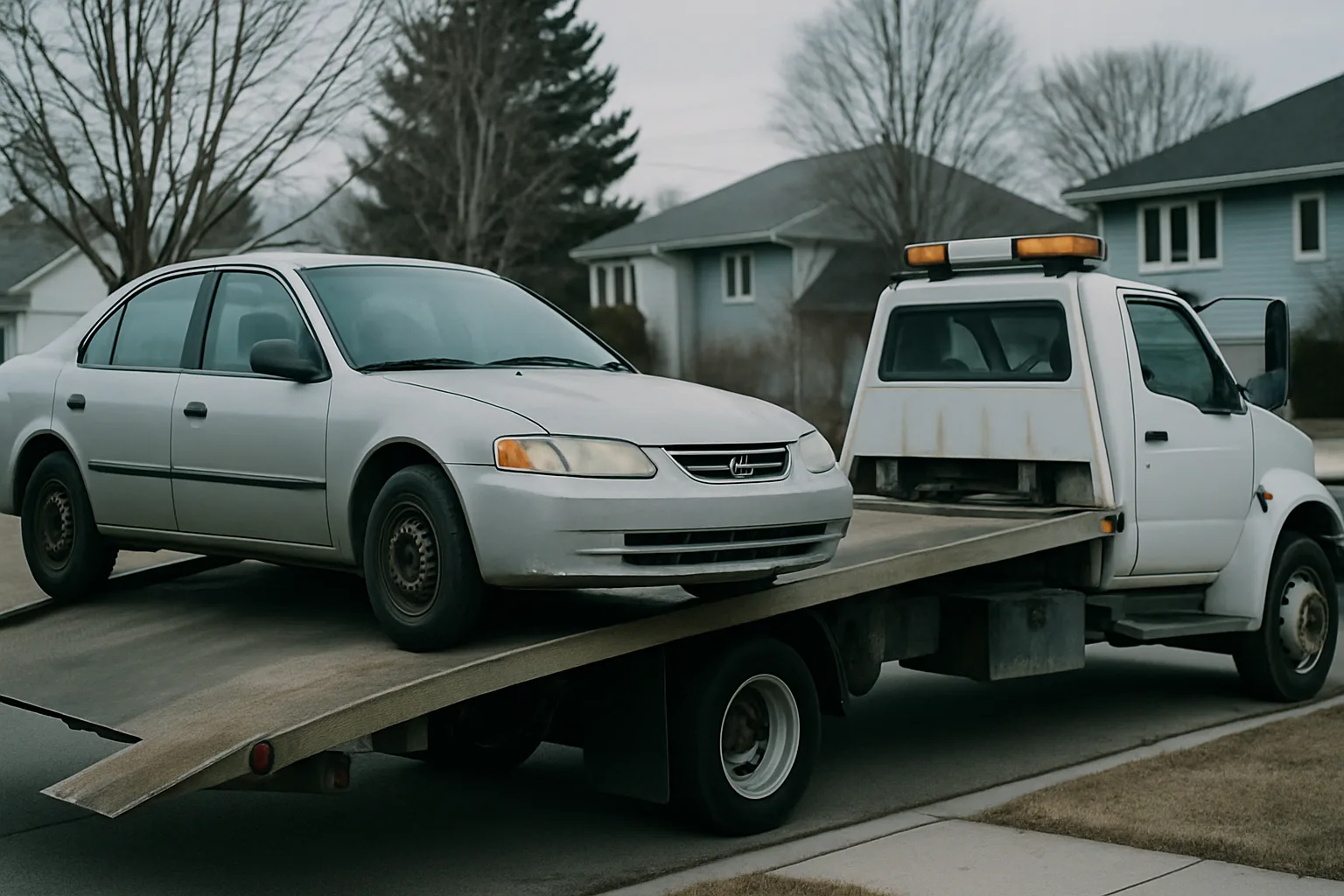
What Actually Happens to Your Car After the Tow Truck Leaves
Most people hand over their keys, watch the flatbed pull away, and never think about it again. But if you've ever wondered what happens to that rusted-out F-150 or flood-damaged Civic after it leaves your driveway — the answer is more organized, more regulated, and more valuable than you'd expect. Understanding the process also helps you see why cash for cars Nanaimo services can offer real money for vehicles that look like they're worth nothing.
Auto recyclers don't just crush cars and call it a day. There's a structured dismantling process, strict environmental compliance, and a surprisingly active commodities market behind every end-of-life vehicle. Here's exactly what that process looks like — from the moment your car gets picked up to the moment its materials re-enter the supply chain.
Step One: Arrival, Inspection, and Intake at the Recycling Yard
When your vehicle arrives at the recycling facility, the first thing that happens is an intake inspection. The yard documents the vehicle — year, make, model, VIN, condition, and any notable features. This isn't bureaucratic busywork. It determines what the car is worth, which parts might be resaleable, and how the dismantling process should be prioritized.
In British Columbia, auto recyclers are required to follow provincial environmental regulations around fluid handling, parts tracking, and end-of-life vehicle processing. This is why working with a legitimate, licensed recycler matters. You're not just getting a fair payout — you're keeping hazardous materials out of landfills and waterways.
- VIN documentation — cross-referenced against theft databases and title records
- Parts assessment — identifies high-value components worth pulling before crushing
- Hazardous material flag — notes airbag status, coolant type, refrigerant presence
- Weight estimate — helps determine the baseline scrap value based on current scrap metal prices today
If you've ever dealt with a buyer who seemed overly curious about your car's history or who asked for detailed photos before making an offer, this is why. The more data the recycler has upfront, the more accurate their quote — and the fewer surprises on both sides.
Depollution: The Step Most People Don't Know About
Before a single wrench touches a body panel, the vehicle goes through depollution. This is the legally required removal of all fluids and hazardous components. In Canada, this step is non-negotiable for licensed recyclers — and it's one of the reasons reputable junk car removal Canada services are worth choosing over a private cash buyer who may not follow proper disposal procedures.
Depollution typically includes:
- Engine oil and transmission fluid — drained and sent to certified re-refiners or disposal facilities
- Coolant (antifreeze) — collected separately; highly toxic to wildlife if discharged improperly
- Brake fluid and power steering fluid — hazardous waste, handled accordingly
- Fuel — siphoned and either reclaimed or disposed of safely
- Refrigerant (A/C systems) — requires certified recovery equipment; can't legally be vented to atmosphere
- Airbag inflators — either deployed safely on-site or removed whole for separate handling
- Mercury switches — found in older vehicles; flagged under provincial hazardous waste programs
This process alone can take 30 to 90 minutes per vehicle when done properly. It's labour-intensive, but it's what separates a real recycler from someone who just wants to flip your car for quick cash. If you're in the Nanaimo area and wondering why quotes vary so much between buyers, this is part of the equation — legitimate operations carry overhead that fly-by-night buyers don't.
Parts Harvesting: Where Real Value Gets Extracted
After depollution, the car moves to the dismantling bay. This is where trained technicians pull any components that have resale value — either as used OEM parts or as refurbished units. For a vehicle in decent condition, this stage can significantly increase the total value the recycler extracts, which is why competitive buyers tend to pay more than a single phone-call offer from a backyard yard.
High-value parts commonly pulled before crushing include:
- Catalytic converters — contain platinum, palladium, and rhodium; among the most valuable components on any vehicle
- Engines and transmissions — especially from popular makes with strong used-parts demand
- Alternators, starters, and AC compressors — high-demand cores in the remanufacturing market
- Wheels and tires — if serviceable, sold as-is
- Body panels and glass — for collision repair shops
- Interior components — seats, dashboards, and electronics if undamaged
- Batteries — both lead-acid and lithium packs from EVs and hybrids have separate recycling streams
Platforms like SMASH are changing how yards think about parts and load valuation. When multiple vetted buyers compete for a vehicle or a load of cores and non-ferrous, the yard gets closer to true market value — not just what one buyer was willing to offer on a cold call. That competition is good for recyclers and, ultimately, for the sellers who sell their scrap car in Canada through services connected to real market pricing.
The Crusher, the Shredder, and the Scrap Metal Market
Once parts are pulled and fluids are removed, what's left is a steel-and-aluminum shell. This goes to the crusher — a hydraulic press that flattens the body into a manageable bale — or directly to a shredder that reduces it to fist-sized pieces of mixed metal. The shredded output is then sorted using magnets, eddy current separators, and sometimes optical sensors to separate ferrous from non-ferrous material.
The end product — sorted, shredded scrap — is sold to steel mills and foundries. This is where scrap metal prices today directly affect what you get paid when you schedule a free scrap car pickup. Steel prices fluctuate based on global demand, mill capacity, and raw material costs. A car that weighs 1,400 kg as a drivable vehicle might yield 900–1,000 kg of recyclable steel after fluids and parts are removed. At any given market rate, that raw material has real value — which is why end-of-life vehicles are worth money, not just hauling fees.
Disclaimer: Scrap metal prices fluctuate based on market conditions. Always check current rates before accepting a quote.
For Nanaimo residents and those across British Columbia wondering why quotes change week to week, this is the direct reason. The yard is essentially quoting you based on a live commodity market, not a fixed price list.
What About Vehicles Without Papers? The No-Title Reality in Canada
One of the most common questions from sellers is whether they can scrap a vehicle without documentation. In Canada, the requirements vary by province, but the answer for most end-of-life vehicles is: yes, you usually can — with the right buyer and the right process.
Unlike some U.S. states where a clean title is mandatory for any transfer, Canadian provinces generally allow scrapping without a title if the vehicle is clearly being decommissioned rather than resold. Licensed recyclers in British Columbia have processes to handle vehicles where paperwork is incomplete, lost, or missing. If you've seen U.S.-focused content referencing cash for cars no title no registration rules — know that Canadian regulations differ and tend to be more practical for scrap-only transactions. (Note: sell car for scrap UK rules are entirely separate and don't apply here.)
What recyclers will typically ask for instead:
- Government-issued photo ID confirming your identity
- Proof of ownership where possible (old insurance docs, registration history)
- A statutory declaration in cases where ownership is unclear
If you're unsure about your specific situation in the Nanaimo area, the team at Nanaimo scrap metal services can walk you through exactly what's needed before pickup. Don't let missing paperwork stop you from getting paid for a car that's just taking up space.
How SMASH Connects the Dots for Recyclers and Sellers
The auto recycling process doesn't end at the crusher. The materials, parts, and cores that come out of a dismantled vehicle all need buyers — and getting the best price for those materials requires competition, transparency, and documentation. That's exactly where SMASH fits into the ecosystem.
SMASH is a vetted buyer auction platform built for scrap yards and recyclers. When a yard lists a load of catalytic converters, a pallet of starters and alternators, or a container of shredded non-ferrous, SMASH puts that in front of multiple qualified buyers simultaneously. More competition means better price discovery. No subscription fees. The platform only wins when the seller wins.
For vehicle owners, this matters because the healthier the downstream market for recycled materials, the better the prices yards can offer when you come in to schedule free scrap car pickup in Canada. It's a connected system — from your driveway to the mill — and every link in the chain affects what ends up in your pocket.
If you want to read Canadian scrap car guides that break down pricing, what affects your quote, and how to avoid getting lowballed, the blog is a solid resource for first-time and repeat sellers alike.
Whether you're in Nanaimo or anywhere else in Canada, understanding what happens after pickup helps you make a smarter decision at the front end. You're not handing over a worthless heap. You're moving a commodity through a legitimate industrial process — and you deserve to be paid fairly for it. Get a free quote at sell-myscrapcar.ca and find out what your vehicle is worth today.
Frequently Asked Questions
Q: How much can I get for my junk car in Nanaimo?
The value depends on the vehicle's weight, make, model, condition, and current scrap metal prices. Heavier vehicles with intact catalytic converters and resaleable parts will fetch more. Get a quote from a licensed buyer rather than guessing — prices shift with the commodities market.
Q: Do I need a title to scrap my car in British Columbia?
Not always. Licensed recyclers in BC can often process vehicles without a clean title, especially for scrap-only transactions. You'll typically need photo ID and some form of ownership proof. Contact a local buyer to confirm what documentation they require for your specific situation.
Q: How long does the whole process take from pickup to payment?
Most legitimate cash for cars services in Nanaimo will schedule a pickup within 24–48 hours and pay on the spot at the time of tow. The actual recycling process at the yard takes days to weeks depending on volume and parts demand, but your payout typically happens the day the truck arrives.
Q: What parts of my car are worth the most money?
Catalytic converters consistently rank as the highest-value single component due to the precious metals they contain. Engines, transmissions, and alternators also carry strong resale value as cores. Even if your car doesn't run, these components can significantly increase your quote.
Q: Are there environmental rules auto recyclers in BC have to follow?
Yes. Licensed recyclers in British Columbia must comply with provincial environmental regulations covering fluid removal, refrigerant recovery, airbag handling, and mercury switch disposal. This is why working with a certified, reputable buyer matters — they carry the overhead to do it right, and you're protected from liability once the vehicle is in their hands.
Stay current on scrap metal market trends and industry news by following SMASH on LinkedIn: linkedin.com/company/scrap-metal-auction-sales-hub.