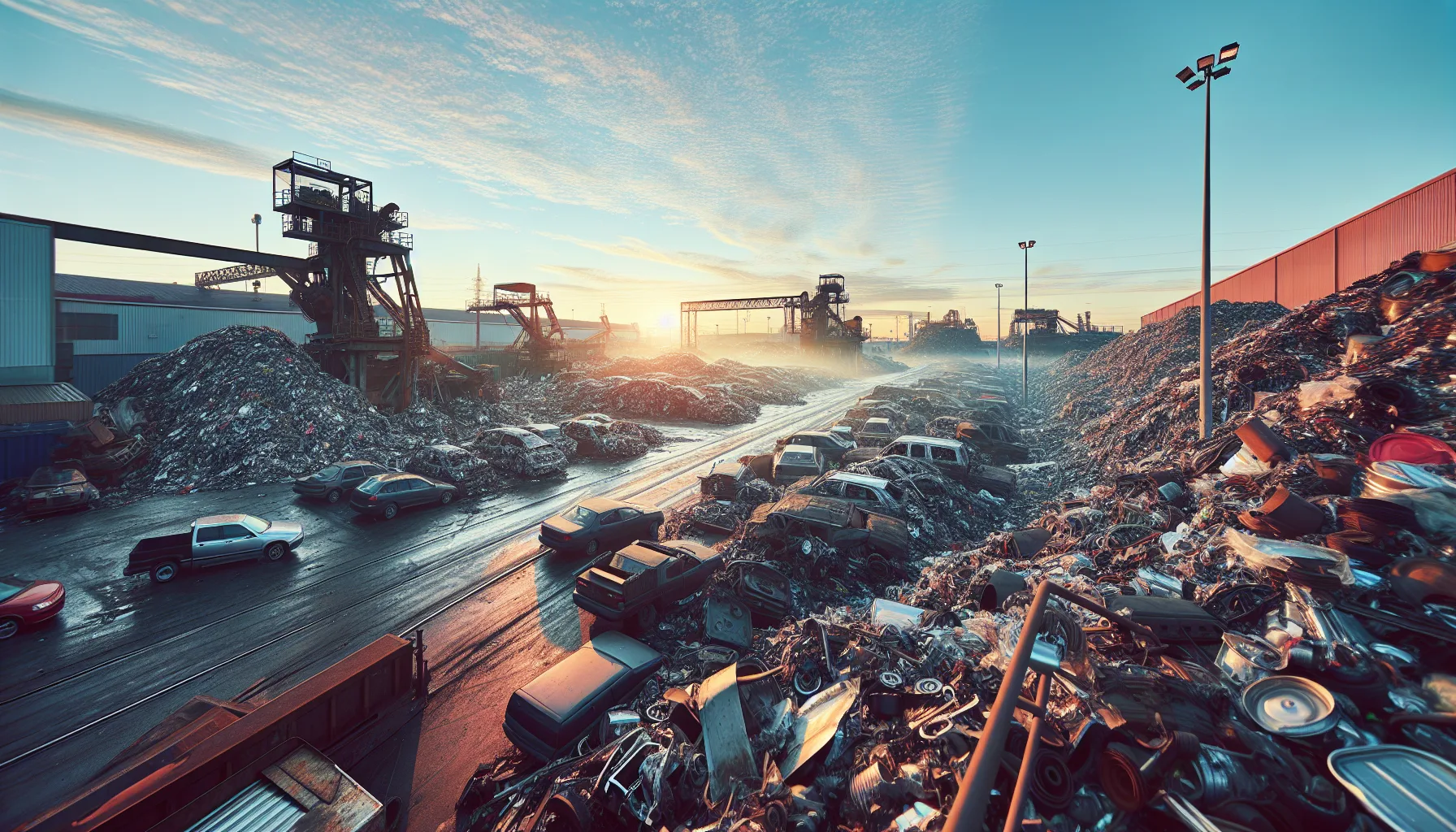
When you schedule a free scrap car pickup Sherbrooke, you might wonder what happens to your vehicle after it disappears down the street. The journey from your driveway to complete recycling involves sophisticated processes that maximize material recovery while protecting the environment. Understanding this process helps you make informed decisions when choosing between local recycling services and platforms like SMASH that connect you with reputable auto recyclers across Canada.
Initial Processing and Documentation at the Auto Recycler
Your vehicle arrives at the auto recycler where technicians immediately begin detailed documentation. They record the VIN number, verify ownership transfer paperwork, and assess the vehicle's condition. This initial step protects both you and the recycler from potential legal issues down the road.
The recycler weighs your vehicle to determine its scrap metal value. A typical sedan weighs between 1,200-1,500 kilograms, while trucks and SUVs can reach 2,000+ kilograms. Current scrap metal prices in Canada fluctuate daily, but steel typically ranges from $200-$350 per tonne in 2026 markets.
Professional recyclers photograph the vehicle and create detailed inventory records. This documentation becomes crucial for insurance claims, environmental compliance reporting, and proper material tracking throughout the recycling process.
Fluid Removal and Environmental Safety Protocols
Before any dismantling begins, certified technicians drain all automotive fluids following strict environmental regulations. Motor oil, transmission fluid, brake fluid, coolant, and power steering fluid require proper handling under Canadian environmental standards.
Each fluid type gets filtered, tested, and either prepared for reuse or sent to specialized treatment facilities. Used motor oil can be re-refined into new lubricants, while coolant often gets recycled for automotive or industrial applications. Gasoline and diesel fuel undergo recovery processes that allow reuse in other applications.
Quebec's environmental regulations require auto recyclers to maintain detailed fluid disposal records. Reputable facilities invest in proper containment systems that prevent soil and groundwater contamination. When you choose sell your scrap car in Canada through established networks, you ensure your vehicle reaches facilities that follow these protocols.
Parts Removal and Resale Operations
Skilled dismantlers systematically remove valuable components that retain resale value. Engines, transmissions, airbags, catalytic converters, and electronic control modules command premium prices in the used parts market.
Modern vehicles contain sophisticated electronic systems worth hundreds or thousands of dollars. Navigation systems, infotainment units, and engine control computers get tested and graded for resale. Even seemingly mundane components like alternators, starters, and AC compressors find eager buyers among repair shops and individual consumers.
The tire and wheel removal process follows next. Tires in good condition get resold, while damaged tires go to specialized tire recycling facilities. Aluminum wheels have significant scrap value, often worth $50-$100 each depending on size and condition.
This systematic approach maximizes revenue recovery, which translates to better prices when you use services like SMASH's platform. The SMASH scrap metal auction system connects sellers with recyclers who can extract maximum value from every component.
Metal Separation and Processing Technology
After useful parts removal, the vehicle shell enters the shredding phase. Industrial shredders reduce the remaining structure to fist-sized pieces in minutes. These powerful machines can process dozens of vehicles daily, creating a mixed stream of ferrous and non-ferrous metals.
Magnetic separation systems extract ferrous metals (iron and steel) from the shredded material. Steel comprises roughly 65% of a typical vehicle's weight, making it the most valuable component by volume. The separated steel gets cleaned, sorted by grade, and prepared for shipment to steel mills.
Non-ferrous metal recovery requires more sophisticated technology. Eddy current separators use magnetic fields to separate aluminum, copper, and other valuable metals from the remaining material. Advanced facilities employ optical sorting and density separation to achieve purification rates exceeding 95%.
Copper wiring from your vehicle's electrical system commands premium prices. Current copper prices in Canada range from $8,000-$12,000 per tonne, making thorough copper recovery financially important for recyclers. This attention to valuable metal recovery benefits you through higher payouts when you schedule a free scrap car pickup.
Final Material Processing and Market Distribution
The final processing stage prepares recovered materials for remanufacturing. Steel gets sorted into different grades based on carbon content and alloy composition. Clean automotive steel often meets specifications for new vehicle production, creating a true circular economy.
Aluminum recovery from vehicles supports Canada's robust aluminum industry. Recycled aluminum requires 95% less energy than primary aluminum production, making automotive aluminum highly valuable to manufacturers. Quebec's proximity to major aluminum smelters makes aluminum recovery particularly profitable for Sherbrooke-area recyclers.
Plastic components undergo separation by polymer type using density separation and infrared spectroscopy. Dashboard plastics, bumper covers, and interior trim pieces get processed into pellets for manufacturing new automotive parts or consumer goods.
Modern auto recyclers achieve material recovery rates exceeding 85% by weight. The remaining 15% consists mainly of automotive fluff - mixed materials like foam, fabric, and composite materials that current technology cannot economically separate.
When you research junk car removal Sherbrooke options, choosing recyclers committed to maximizing material recovery ensures your vehicle contributes to sustainable manufacturing. Platforms like SMASH connect vehicle owners with facilities that prioritize both environmental responsibility and fair pricing.
Quality Control and Environmental Compliance
Professional auto recyclers maintain strict quality control throughout the process. Material samples undergo regular testing to ensure recycled metals meet manufacturing specifications. Contaminated materials get reprocessed or diverted to appropriate treatment facilities.
Environmental compliance reporting requires detailed documentation of all materials processed, fluids recovered, and waste streams generated. Quebec environmental authorities conduct regular inspections to ensure facilities maintain proper standards.
The best recyclers invest in continuous improvement technologies. Advanced sorting systems, improved fluid recovery equipment, and enhanced material separation capabilities increase recovery rates while reducing environmental impact.
This comprehensive process explains why scrap metal recycling Canada operations can offer competitive prices for end-of-life vehicles. Efficient material recovery and processing create value that gets shared with vehicle owners through fair pricing structures.
Whether your vehicle heads to a local Sherbrooke facility or travels to specialized recyclers elsewhere in Quebec, understanding this process helps you appreciate the sophisticated industry that transforms your old vehicle into valuable raw materials. When you're ready to turn that old car into cash, you can read Canadian scrap car guides for detailed information about maximizing your return.
For additional resources and nationwide service options, you can also explore scrap car removal in Canada at GetMyScrapCar to compare different approaches to vehicle recycling and pricing.
Frequently Asked Questions
Q: How long does the recycling process take after pickup?
Most auto recyclers complete initial processing within 24-48 hours of pickup. Fluid removal and parts dismantling happen first, followed by shredding and metal separation. The entire process from pickup to final material shipment typically takes 3-7 days.
Q: Do I need to remove personal items before free scrap car pickup in Sherbrooke?
Yes, you should remove all personal belongings before pickup. Recyclers cannot return items found during processing, and personal property can create liability issues. Check glove compartments, under seats, and trunk areas thoroughly.
Q: What happens to the license plates when my car gets recycled?
You should remove license plates before pickup and return them to the Quebec vehicle registration office. Some recyclers will remove plates for you, but it's your responsibility to ensure proper cancellation with provincial authorities.
Q: Can I get paid more if my car has valuable parts?
Yes, vehicles with working engines, transmissions, or valuable electronic components typically command higher prices. Modern catalytic converters, airbags, and luxury vehicle parts significantly increase your car's value beyond basic scrap metal pricing.
Q: Are there environmental benefits to using professional auto recyclers?
Absolutely. Professional recyclers recover over 85% of vehicle materials, prevent groundwater contamination through proper fluid handling, and reduce energy consumption by supplying recycled materials to manufacturers. This environmental responsibility makes professional recycling the responsible choice.
Ready to see what your vehicle is worth? The recycling process transforms your old car into valuable materials while protecting the environment. Sell your scrap car in Canada — get a free quote at sell-myscrapcar.ca and connect with recyclers who maximize both your return and environmental benefits.