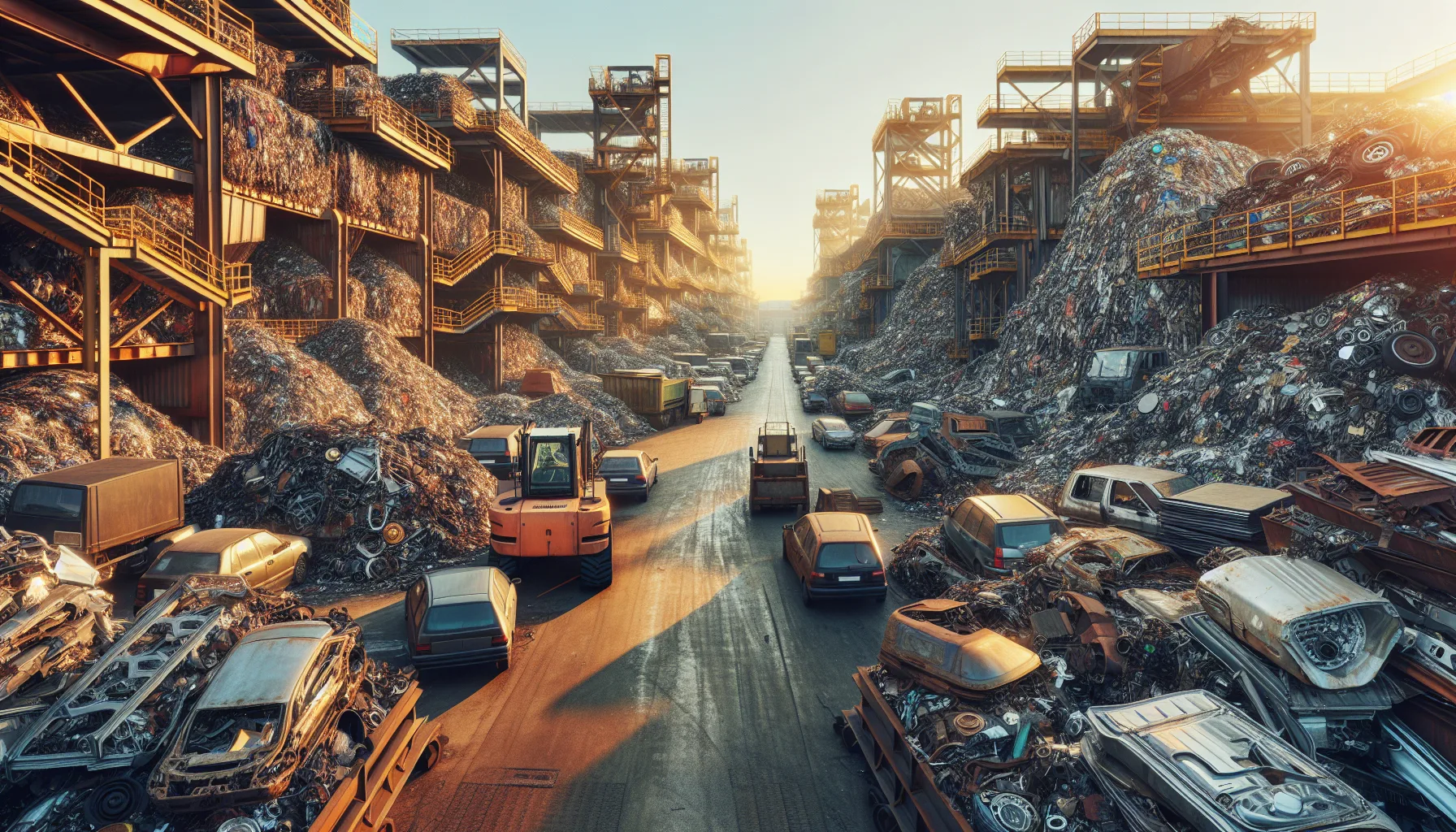
The Journey Begins: From Pickup to Processing
When you schedule a free scrap car pickup Sudbury, you're starting a fascinating journey that transforms your old vehicle into valuable materials. After your car leaves your driveway, it enters the sophisticated world of auto recycling — a process that's both environmentally crucial and economically valuable in 2026.
The moment your vehicle arrives at the recycling facility, trained technicians begin a systematic assessment. They check for any remaining personal items, verify the vehicle identification number, and document the car's condition. This initial step protects both you and the facility, ensuring nothing valuable gets overlooked.
Auto recyclers in Ontario follow strict provincial regulations updated in 2026, requiring detailed tracking of every vehicle processed. Your car receives a unique identification code that follows it throughout the entire recycling process, creating a transparent chain of custody.
Fluid Drainage and Hazardous Material Removal
The first major step involves complete fluid removal. Technicians drain all automotive fluids — engine oil, transmission fluid, brake fluid, coolant, and gasoline. These substances require special handling under Ontario's environmental regulations.
Motor oil gets filtered and prepared for re-refining. A single oil change worth of used oil can produce enough recycled oil for another complete change. Coolant undergoes chemical treatment to remove contaminants before reuse. Even windshield washer fluid gets processed and cleaned.
Battery removal happens early in the process. Car batteries contain lead and sulfuric acid — both valuable and potentially dangerous. The lead gets melted down for new batteries, while the acid neutralizes into water or converts to sodium sulfate for industrial use.
Mercury switches, once common in older vehicles, require careful extraction. Though less common in newer cars, facilities still check every vehicle thoroughly. Any mercury gets sealed in specialized containers for proper disposal.
Parts Harvesting and Inventory Management
Once fluids are removed, the real treasure hunting begins. Skilled dismantlers identify reusable parts that can extend the life of other vehicles. This process directly impacts junk car removal Sudbury pricing — more salvageable parts mean higher payouts for vehicle owners.
Engines in good condition get pulled first. A working engine can sell for thousands of dollars, making it the most valuable single component. Transmissions follow, then alternators, starters, and electronic control modules.
Interior components like seats, dashboard electronics, and airbags (if intact) get carefully removed and tested. Even steering wheels and gear shifters have resale value. Wheels and tires in decent condition go to the used parts market.
Modern auto recyclers use sophisticated inventory management systems. Each part gets photographed, tested, and entered into databases that connect to parts dealers across Canada. This network ensures maximum value extraction from every vehicle.
Catalytic converters deserve special attention. These emission control devices contain precious metals — platinum, palladium, and rhodium. Current market prices for these metals in 2026 make catalytic converters extremely valuable, often worth $100-500 each depending on the vehicle type and converter condition.
Metal Processing and the SMASH Connection
After parts removal, what remains is primarily steel, aluminum, and other metals. This is where scrap metal prices today become crucial for determining your vehicle's final value. The car body goes through a crushing process that compacts it into manageable sizes for transportation.
Before crushing, any remaining non-metallic materials get stripped away. Plastic components, rubber, and glass require separate processing streams. Advanced facilities use sophisticated separation techniques including air classification and magnetic separation.
The SMASH scrap metal auction platform has revolutionized how recyclers handle metal pricing in 2026. Instead of accepting fixed prices, recyclers can auction their processed metals to the highest bidders. This competitive system often results in better pricing that gets passed back to vehicle owners.
Steel makes up roughly 65% of a typical vehicle's weight. A mid-size car weighs about 1,500 kilograms, meaning approximately 975 kilograms of steel. Current steel prices fluctuate daily, but recyclers typically see $150-250 per metric ton for automotive steel in 2026.
Aluminum components — wheels, engine blocks, transmission cases — command premium prices. Aluminum recycling uses 95% less energy than producing new aluminum, making it extremely valuable. Expect aluminum prices around $1,200-1,800 per metric ton.
Environmental Impact and Regulatory Compliance
Auto recycling facilities in Sudbury and throughout Ontario must comply with increasingly strict environmental standards implemented in 2026. These regulations ensure that vehicle recycling contributes positively to environmental goals rather than creating pollution problems.
Proper refrigerant recovery prevents ozone-depleting substances from entering the atmosphere. Air conditioning systems in older vehicles often contain refrigerants that require specialized handling. Facilities must have certified technicians and proper equipment for safe recovery.
Tire processing presents unique challenges. Whole tires cannot go to landfills in Ontario, so recyclers must find alternative disposal methods. Many tires get shredded for rubber mulch, playground surfaces, or fuel for cement kilns.
Glass recycling varies by facility capability. Windshields contain plastic laminate layers that complicate recycling, while side windows are tempered glass that shatters into small pieces. Some facilities separate glass colors for recycling into new glass products.
The environmental benefits are substantial. Auto recycling prevents millions of tons of steel, aluminum, and other materials from requiring energy-intensive primary production. When you choose sell your scrap car in Canada through responsible recyclers, you're contributing to a circular economy that conserves natural resources.
Documentation requirements ensure complete transparency. Every step gets recorded — from initial vehicle receipt through final material shipment. This paper trail protects both recyclers and vehicle owners while providing data for environmental impact assessments.
Modern facilities often achieve 80-85% material recovery rates. This means that from your entire vehicle, only 15-20% ends up in landfills. The remaining materials enter new production cycles, reducing the demand for virgin materials and the environmental impact of manufacturing.
Platforms like SMASH make it easier for recyclers to optimize their operations and pass better pricing back to vehicle owners. When recyclers get better prices for processed materials, they can offer more competitive rates for vehicle acquisition.
Ready to start your vehicle's recycling journey? The process from pickup to final material recovery typically takes 2-4 weeks, depending on facility capacity and market conditions. You can schedule a free scrap car pickup and know that your vehicle will undergo this comprehensive recycling process that benefits both the environment and the economy.
For more detailed information about the recycling process and current market conditions, read Canadian scrap car guides that explain every aspect of vehicle recycling. If you're interested in exploring additional recycling options, you can explore scrap car removal in Canada at GetMyScrapCar for comprehensive service comparisons.
Frequently Asked Questions
Q: How long does the recycling process take after free scrap car pickup Sudbury?
The complete recycling process typically takes 2-4 weeks from pickup to final material processing. Initial fluid drainage and parts removal happen within the first few days, while metal processing and final material sale can take additional time depending on market conditions and facility capacity.
Q: Do I get paid more if my car has valuable parts for recycling in Sudbury?
Yes, vehicles with valuable reusable parts typically command higher prices. Working engines, transmissions, catalytic converters, and electronic components all add value. Recyclers assess each vehicle individually and adjust pricing based on recoverable parts and current scrap metal prices.
Q: What happens to my personal information when my car gets recycled?
Legitimate auto recyclers follow strict data protection protocols. They remove and securely destroy any electronic devices containing personal information, including GPS systems, phone connections, and garage door openers. The vehicle identification number gets tracked for regulatory compliance, but your personal data gets protected.
Q: Can I track what happens to my car after it's picked up in Sudbury?
Many modern recycling facilities provide basic tracking information, especially for the initial processing stages. While you typically can't follow every step in detail, reputable recyclers will confirm receipt of your vehicle and provide certificates of destruction when processing is complete.
Q: How do current scrap metal prices affect what I get paid for my car?
Scrap metal prices fluctuate daily based on global commodity markets. Steel, aluminum, and precious metal prices directly impact vehicle values. Recyclers typically base their offers on current market rates, minus processing costs. Prices can vary significantly week to week, so timing can affect your payout.
Understanding what happens after pickup helps you make informed decisions about your end-of-life vehicle. The recycling process maximizes both environmental benefits and economic value from every car that enters the system. When you're ready to sell your scrap car in Canada — get a free quote at sell-myscrapcar.ca and start your vehicle's journey toward its next useful life.