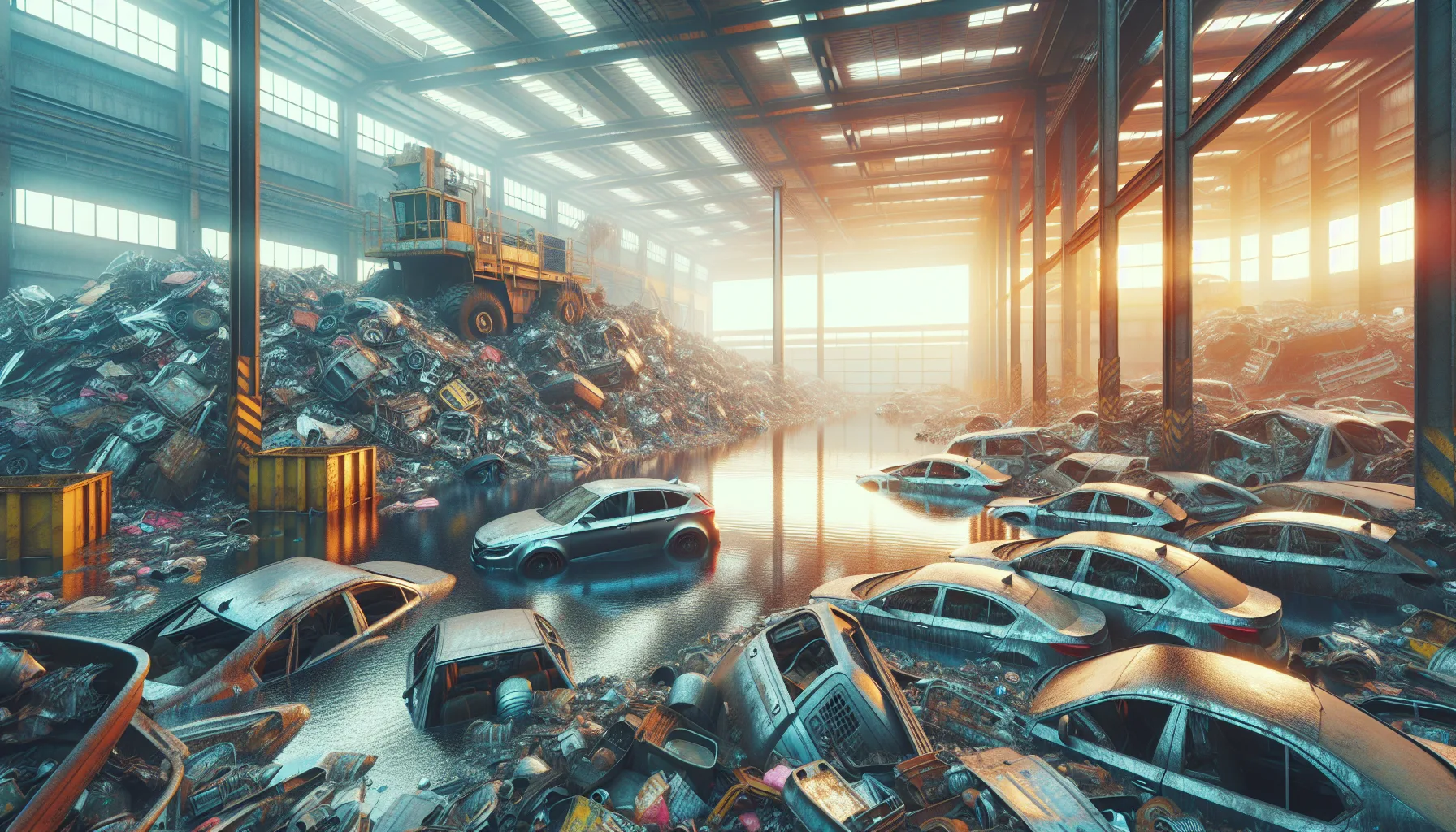
Why Disaster-Damaged Vehicles Hold Hidden Value
Flood-damaged and fire-damaged cars might look like total losses, but experienced scrap buyers see opportunity where others see wreckage. The steel frame, aluminum components, copper wiring, and catalytic converters typically survive water damage intact. Even vehicles with extensive fire damage often retain valuable metals in the engine block, transmission, and structural components. **Scrap car value today** reflects strong demand for recyclable automotive materials. Steel prices in British Columbia averaged $280-320 per ton throughout early 2026, while aluminum components command $1,200-1,500 per ton. Your disaster-damaged vehicle contains roughly 65-75% recyclable materials by weight, translating to real cash value regardless of whether it runs. Fire-damaged vehicles present unique opportunities because high temperatures often leave precious metals like platinum, palladium, and rhodium in catalytic converters completely unaffected. These components alone can be worth $150-800 depending on your vehicle's make and model. Professional scrap buyers understand these values and factor them into their offers. Insurance companies often write off disaster-damaged vehicles as total losses, but that doesn't eliminate their scrap value. Once you receive your insurance settlement, you retain ownership of the damaged vehicle unless you specifically transfer it to the insurance company. This creates an opportunity to **sell scrap metal online** through specialized platforms while keeping your insurance payout.Sarah's Journey: From Flood Damage to Fast Cash
Sarah's Honda Civic suffered extensive flood damage when unexpected heavy rains overwhelmed Kamloops drainage systems in March 2026. The vehicle sat in standing water for nearly six hours, with water reaching well above the floor pan and into the electrical systems. When the water receded, Sarah attempted to start the car but immediately recognized the extent of the damage. Her insurance adjuster declared the vehicle a total loss within days, offering Sarah $18,500 for replacement. However, Sarah researched her options and discovered she could retain the damaged vehicle while still receiving her insurance settlement. This decision proved financially smart when she connected with SMASH through their network of verified scrap car buyers. The SMASH platform connected Sarah with three local buyers specializing in flood-damaged vehicles. Each buyer provided detailed quotes based on her Honda's year, model, weight, and specific damage assessment. The competitive bidding process resulted in a final offer of $1,200 – significantly higher than traditional salvage yard quotes she'd received earlier. Sarah's buyer arranged **free junk car removal across Canada** pickup within 48 hours of accepting the offer. The transaction required minimal paperwork since flood damage was thoroughly documented through insurance photos and adjuster reports. She received cash payment immediately upon vehicle pickup, completing a process that many disaster victims assume is impossible or unprofitable. The entire timeline from initial flood damage to cash in hand spanned just three weeks. Sarah's proactive approach to researching scrap car options, combined with using a competitive bidding platform like SMASH, maximized her recovery from an otherwise devastating situation.Maximizing Value from Flood-Damaged Vehicles
Flood-damaged vehicles require specific strategies to maximize scrap value and ensure smooth transactions. Water damage creates unique challenges that smart sellers address proactively to secure better offers and avoid potential complications during pickup. Document everything thoroughly before listing your flood-damaged vehicle. Take comprehensive photos showing water lines, interior damage, engine bay conditions, and any visible corrosion. Insurance adjusters typically provide detailed damage assessments – save these reports as they help scrap buyers understand exactly what they're purchasing. Remove all personal belongings and valuable accessories before pickup. Flood water often damages electronics and upholstery beyond recovery, but removable items like aftermarket stereos, GPS units, or custom wheels might retain value if they stayed above water level. Check glove compartments, trunks, and storage areas for important documents or forgotten valuables. **Cash for cars British Columbia** services often provide higher offers for flood-damaged vehicles compared to fire-damaged ones because water rarely affects core metal components. However, disclose all damage honestly when requesting quotes. Experienced buyers can spot undisclosed damage during pickup, potentially leading to reduced offers or transaction cancellations. Timing matters significantly when selling flood-damaged vehicles. Corrosion accelerates rapidly after flood exposure, particularly in areas with salt water or contaminated flood water. List your vehicle for sale as soon as insurance matters are settled to maximize metal integrity and avoid depreciation from progressive corrosion damage. Consider multiple buyers through platforms like SMASH rather than accepting the first offer you receive. Flood-damaged vehicle values vary significantly based on buyer specialization, current metal prices, and regional demand. Competitive bidding often increases final offers by 20-40% compared to single-buyer transactions.Fire Damage: Different Challenges, Similar Opportunities
Fire-damaged vehicles present distinct advantages and challenges compared to flood-damaged cars. Intense heat often destroys plastic components, wiring, and upholstery while leaving core metal structures largely intact. This damage pattern creates specific value opportunities that experienced scrap buyers understand and price accordingly. Catalytic converters frequently survive vehicle fires because they're designed to operate at extremely high temperatures. These components contain precious metals that retain full value even after fire exposure. Modern catalytic converters from pickup trucks and SUVs often contain $200-800 worth of platinum, palladium, and rhodium that fire cannot damage. Engine blocks and transmission cases typically withstand fire damage well, maintaining their recyclable metal value. Aluminum components like wheels, engine parts, and body panels may show heat discoloration but retain structural integrity and full scrap value. Steel frame components almost always survive fires completely unaffected. Fire-damaged vehicles often require specialized handling during pickup due to structural weakening from intense heat. Professional **junk car removal Kamloops** services understand these requirements and bring appropriate equipment to ensure safe transportation. This specialized knowledge explains why fire-damaged vehicles command premium pricing through experienced buyers. When you sell your scrap car in Canada after fire damage, expect buyers to assess heat penetration depth and component integrity. Surface fire damage that didn't reach core components typically results in higher offers than vehicles with extensive heat penetration throughout the frame and engine bay. Documentation becomes crucial with fire-damaged vehicles because heat damage patterns affect value calculations. Fire department reports, insurance assessments, and detailed photos help buyers provide accurate quotes and prevent disputes during pickup. Professional buyers appreciate thorough documentation and often respond with higher offers when damage extent is clearly communicated.Navigating Insurance and Legal Considerations
Insurance settlements for disaster-damaged vehicles create specific legal and financial considerations that affect your ability to sell for scrap value. Understanding these requirements protects you from potential complications while maximizing your total recovery from both insurance and scrap sales. Most insurance policies allow policyholders to retain damaged vehicles while receiving settlement payments, but this option requires specific notification and agreement. Contact your insurance adjuster immediately if you want to keep your disaster-damaged vehicle for scrap sale. This conversation must happen before finalizing your insurance settlement to avoid legal complications. Title handling varies between provinces, but British Columbia requires clear title documentation for all scrap vehicle sales regardless of damage type. Insurance companies may request title transfer as part of settlement agreements – negotiate to retain title if you plan to sell for scrap value. Clear titles typically increase scrap offers by $100-300 because they simplify buyer registration and processing requirements. **Cash for cars no title texas** might be relevant for readers relocating from other jurisdictions, but Canadian scrap sales require proper documentation in virtually all circumstances. Work with insurance representatives to ensure you maintain legal ownership rights before committing to scrap sale transactions. Tax implications deserve consideration when receiving both insurance settlements and scrap sale proceeds. Insurance settlements typically aren't taxable income, but scrap sales might create tax obligations depending on your specific situation. Consult tax professionals if your combined recovery exceeds significant thresholds or if you regularly buy and sell vehicles. When you schedule a free scrap car pickup for disaster-damaged vehicles, ensure all insurance paperwork is complete and your retention rights are clearly established. Professional buyers verify ownership documentation carefully and may decline transactions with unclear title situations. Liability coverage ends when your vehicle leaves your property, but verify this timing with your insurance provider. Some policies extend coverage through the pickup process, while others terminate immediately upon sale completion. Understanding these details prevents potential gaps in coverage during the transition period.SMASH Platform Success: Competitive Bidding Results
Sarah's experience with SMASH demonstrates how competitive bidding platforms consistently deliver superior results compared to traditional salvage yard sales. The transparency, buyer competition, and specialized expertise available through SMASH created a significantly better outcome than conventional disposal methods. Traditional salvage yards in the Kamloops area initially offered Sarah $400-600 for her flood-damaged Honda Civic. These offers reflected typical salvage yard pricing that factors in their processing costs, storage requirements, and profit margins. However, SMASH connected Sarah with specialized buyers who focus specifically on disaster-damaged vehicles and understand their true market value. The competitive bidding process through SMASH generated three qualified offers ranging from $950 to $1,200. Each buyer provided detailed explanations of their pricing methodology, helping Sarah understand exactly how they calculated her vehicle's scrap value. This transparency allowed her to make an informed decision rather than simply accepting the highest number. **SMASH scrap** platform buyers often specialize in specific vehicle types or damage categories. Sarah's winning buyer focused primarily on flood-damaged late-model vehicles and had established relationships with recyclers who specifically needed Honda components. This specialization enabled them to offer pricing that general salvage yards couldn't match. Platform verification ensures all SMASH buyers maintain proper licensing, insurance, and business credentials. Sarah never worried about payment reliability or pickup logistics because SMASH pre-screens all participating buyers. This quality control eliminates the risks often associated with private party sales or unlicensed scrap dealers. The SMASH platform also provided Sarah with market insights and pricing trends that helped her time her sale effectively. **Scrap car value today** information showed that metal prices had increased 8% over the previous month, encouraging her to list quickly rather than delaying while dealing with insurance matters. Follow-up support through SMASH ensured Sarah's transaction completed smoothly. When minor paperwork questions arose during pickup, SMASH customer service provided immediate assistance that kept the process moving forward. This level of support distinguishes professional platforms from ad-hoc salvage transactions.Frequently Asked Questions
Q: Can I sell my flood-damaged car if insurance already paid me for it?
Yes, you can retain ownership of your flood-damaged vehicle and sell it for scrap value even after receiving an insurance settlement. You must specifically notify your insurance company that you want to keep the damaged vehicle rather than surrendering it as part of your claim. This option allows you to recover additional value through scrap sales while keeping your insurance payout.
Q: How much can I expect for my fire-damaged vehicle in Kamloops?
Fire-damaged vehicle values depend on the extent of damage and your vehicle's make, model, and year. Generally, vehicles with surface fire damage that didn't penetrate core components can bring $800-2,500, while extensively damaged vehicles might yield $300-800. The catalytic converter alone often contains $150-400 in precious metals that survive fire damage. Professional buyers in Kamloops typically offer competitive prices through platforms like SMASH.
Q: Do I need special paperwork to sell a disaster-damaged car?
You'll need your vehicle title, registration, and any insurance documentation related to the damage. Fire or flood damage reports from insurance adjusters help buyers provide accurate quotes. In British Columbia, clear title documentation is required for all scrap vehicle sales regardless of damage type. Professional junk car removal services in Kamloops can guide you through the paperwork requirements.
Q: How quickly can I get my disaster-damaged vehicle picked up?
Most professional scrap car buyers can arrange pickup within 24-48 hours of accepting an offer. Disaster-damaged vehicles often receive priority scheduling because delays can lead to further deterioration and reduced value. When you schedule through verified platforms, pickup timing becomes much more reliable than dealing with individual salvage yards.
Q: What if my vehicle has no title due to flood or fire damage?
While some jurisdictions allow scrap sales without titles, British Columbia generally requires proper title documentation. If your title was destroyed in the disaster, you can obtain a replacement through ICBC before selling your vehicle. This process typically takes 1-2 weeks but significantly increases your potential offers compared to no-title sales.
Sarah's experience proves that disaster-damaged vehicles retain substantial value when sold through the right channels. Whether you're dealing with flood damage, fire damage, or other catastrophic loss, professional scrap car buyers understand the true value of your vehicle's recyclable components. Platforms like SMASH make it easy to connect with specialized buyers who compete for your business, ensuring you receive fair market value for your damaged vehicle. Don't let disaster damage convince you that your vehicle is worthless. With proper documentation, competitive bidding, and professional pickup services, you can turn your damaged car into meaningful cash recovery. Sell your scrap car in Canada and discover how much value remains in your disaster-damaged vehicle — get a free quote at sell-myscrapcar.ca. To stay updated on scrap metal market trends and industry insights that can help you maximize your vehicle's value, free junk car removal across Canada and follow SMASH on LinkedIn for the latest market analysis and pricing updates at https://www.linkedin.com/company/scrap-metal-auction-sales-hub. You can also read Canadian scrap car guides for additional tips on maximizing your disaster-damaged vehicle's value.