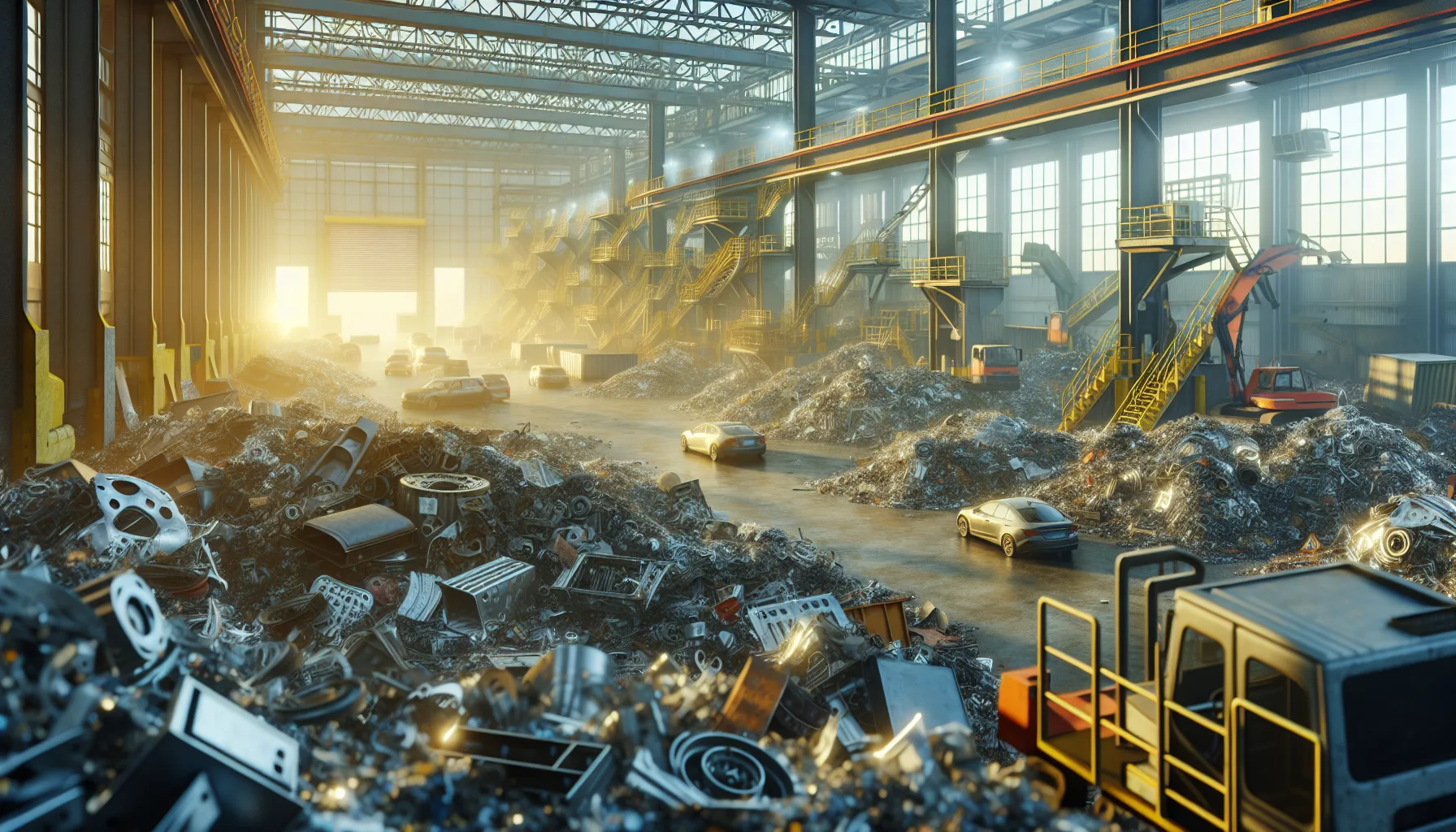
What Happens to Accident-Damaged Cars in the Scrap Market
When your vehicle has been in a serious accident, determining its next steps can feel overwhelming. Insurance companies often declare cars total losses, leaving owners wondering about their options. The good news is that accident-damaged vehicles hold significant value in Canada's scrap metal market, and services offering cash for cars Hamilton provide a straightforward solution for turning your damaged vehicle into money.
Accident-damaged cars remain valuable because their metal components, engines, and parts retain worth regardless of cosmetic or structural damage. Auto recyclers across Ontario actively seek these vehicles, knowing that even severely damaged cars contain aluminum, steel, copper, and other recyclable materials that command strong prices in 2026's market.
The process of scrapping an accident-damaged vehicle differs slightly from selling a running car, but platforms like SMASH make it simple to navigate insurance requirements, documentation, and fair pricing. Understanding what makes your damaged vehicle valuable helps you maximize your return while avoiding common pitfalls that cost owners money.
Insurance Settlements and Total Loss Declarations
When insurance companies declare your vehicle a total loss, they typically offer a settlement based on the car's pre-accident value. However, many Hamilton residents don't realize they can often buy back their totaled vehicle from the insurance company and then sell scrap car Canada services for additional money.
Insurance buyback amounts usually range from 10-20% of the settlement value. If your insurer offered $5,000 for your totaled 2018 Honda Civic, you might buy it back for $750-$1,000. Given that we buy junk cars Hamilton services often pay $300-$800 for similar vehicles in 2026, this strategy can add significant value to your total recovery.
Before pursuing buyback options, confirm with your insurance company about salvage title requirements. Some provinces require specific documentation for vehicles with salvage status, though Ontario's regulations remain relatively straightforward for owners selling to licensed auto recyclers.
SMASH helps navigate these insurance complexities by providing clear documentation for your transaction and ensuring compliance with provincial regulations. Their team understands which paperwork satisfies insurance requirements while protecting your interests throughout the sale process.
Valuing Accident-Damaged Vehicles for Scrap
Accident damage affects scrap value differently than many owners expect. While body damage significantly reduces a car's retail value, it has minimal impact on scrap metal worth. A 2015 Ford F-150 with front-end collision damage still contains the same amount of steel, aluminum, and copper as an undamaged truck.
Current scrap metal prices today in Hamilton reflect strong demand across several categories. Steel prices hover around $200-$250 per ton, while aluminum commands $1,200-$1,400 per ton in Ontario's markets. Copper wiring and components can add $50-$150 to your vehicle's total value, depending on the model and year.
Engine condition plays a larger role in valuation than cosmetic damage. A running engine, even in an accident-damaged car, significantly increases scrap value. Transmission, catalytic converters, and electronic components also boost pricing regardless of exterior condition.
Geographic factors influence pricing within Ontario. Hamilton's proximity to steel mills and recycling facilities often results in competitive pricing compared to more remote areas. Local demand for specific vehicle types can also create pricing advantages for certain makes and models.
Required Documentation and Legal Considerations
Scrapping an accident-damaged vehicle requires specific documentation to ensure legal compliance and smooth transactions. Ontario residents must provide clear vehicle ownership, which can become complicated when insurance companies are involved in total loss situations.
Start by gathering your vehicle registration, ownership certificate, and any insurance documentation related to the accident claim. If your insurance company has declared the vehicle a total loss, obtain written confirmation of your buyback arrangement and any salvage title requirements.
Photo identification and proof of address complete the basic documentation requirements. Some auto recyclers may request additional paperwork for high-value vehicles or those with liens, but reputable services like SMASH handle these complexities on your behalf.
Remove personal belongings thoroughly before pickup. Insurance settlements rarely cover items left in vehicles, and recyclers cannot return personal property once processing begins. Check glove compartments, trunk spaces, and under seats carefully.
Cancel your insurance coverage only after completing the sale. Some provinces require continuous coverage until ownership transfers, and gaps in coverage can create complications with future vehicle purchases or insurance rates.
Maximizing Value from Your Accident-Damaged Car
Several strategies help Hamilton residents maximize returns when selling accident-damaged vehicles. Timing plays a crucial role, as scrap metal markets fluctuate based on global demand, local inventory, and seasonal factors affecting the recycling industry.
Spring months typically see stronger scrap prices as construction and manufacturing activities increase. However, waiting for optimal timing must be balanced against storage costs, ongoing insurance requirements, and the risk of further deterioration affecting your vehicle's value.
Compare offers from multiple buyers, but focus on licensed auto recyclers rather than individuals offering cash purchases. Licensed facilities provide proper documentation, environmental compliance, and legal protection that individual buyers cannot match.
Be honest about accident damage when requesting quotes. Experienced buyers can quickly assess vehicle condition, and misrepresenting damage wastes time while potentially damaging your credibility with reputable services.
Consider partial dismantling if you have mechanical skills and time. Removing valuable components like batteries, catalytic converters, or aftermarket accessories can increase your total return. However, ensure you can still arrange pickup for the remaining vehicle shell.
Platforms like SMASH streamline this process by providing fair, competitive pricing without the hassle of multiple quotes or negotiations. Their transparent approach eliminates uncertainty while ensuring you receive market-appropriate compensation for your accident-damaged vehicle.
When you're ready to turn your accident-damaged vehicle into cash, remember that sell your scrap car in Canada services provide the expertise and reliability you need. Whether you're dealing with insurance complications or simply want the fastest path to fair compensation, professional auto recyclers ensure your experience remains stress-free. You can easily schedule a free scrap car pickup and receive competitive pricing for your damaged vehicle. For additional guidance on navigating the scrap car process, read Canadian scrap car guides that cover everything from documentation to market trends. If you need comprehensive junk car services across the country, free junk car removal across Canada provides nationwide coverage with the same professional standards. Sell your scrap car in Canada — get a free quote at sell-myscrapcar.ca.
Frequently Asked Questions
Q: Can I sell my car for scrap if insurance declared it a total loss?
Yes, you can typically buy back your totaled vehicle from the insurance company and then sell it to scrap dealers. The buyback cost is usually 10-20% of the settlement value, and many Hamilton residents find this strategy increases their total recovery from the accident.
Q: Does accident damage significantly reduce my car's scrap value?
Cosmetic damage has minimal impact on scrap value since recyclers primarily value vehicles for their metal content. A damaged car contains the same amount of steel and aluminum as an undamaged vehicle, so scrap metal prices today remain the primary factor in determining value.
Q: What documents do I need to scrap an accident-damaged car in Ontario?
You'll need vehicle registration, ownership certificate, photo ID, and any insurance documentation related to the accident. If you bought back a totaled vehicle from insurance, bring written confirmation of the buyback arrangement and any required salvage title paperwork.
Q: How quickly can I get cash for cars Hamilton services to pick up my damaged vehicle?
Most reputable auto recyclers in Hamilton can schedule pickup within 24-48 hours of accepting your quote. The process moves quickly since damaged vehicles don't require extensive inspection beyond confirming the make, model, and general condition you reported.
Q: Should I remove parts from my accident-damaged car before selling it for scrap?
Removing valuable components like batteries, catalytic converters, or aftermarket accessories can increase your total return if you have the skills and tools. However, ensure the remaining vehicle can still be picked up and that removing parts doesn't create safety hazards during transport.
Follow SMASH on LinkedIn for the latest industry updates and scrap metal market insights: https://www.linkedin.com/company/scrap-metal-auction-sales-hub