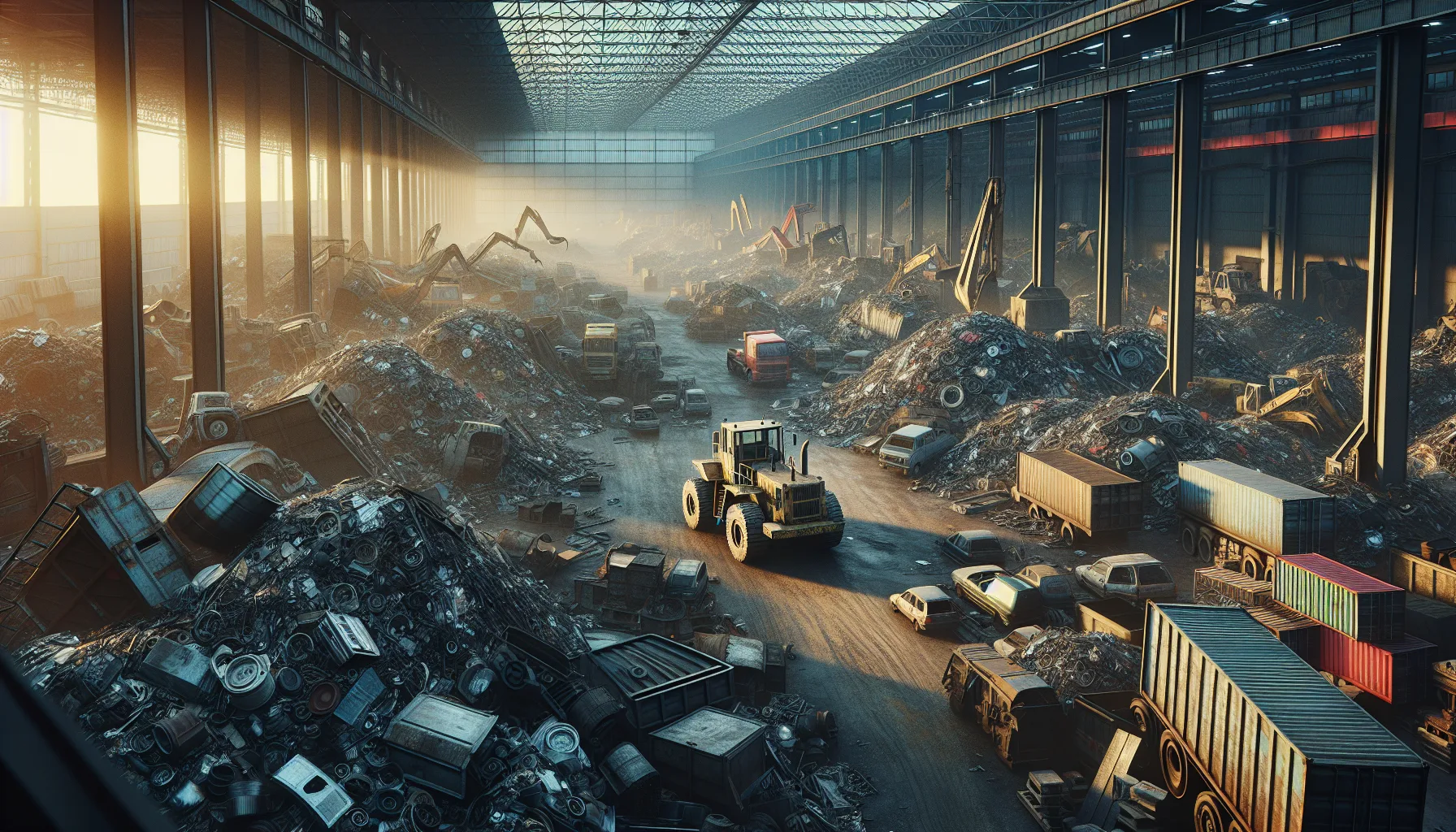
From Assembly Line to Recycling Center: Understanding Your Vehicle's Complete Journey
Every car rolling off the assembly line today begins a predictable journey that will eventually lead to the scrap yard. Understanding this lifecycle helps Canadian vehicle owners make informed decisions about when to sell your scrap car in Canada and maximize their return. The scrap car value today depends largely on where your vehicle sits in this natural progression from new to recyclable materials.
Modern vehicles follow a well-documented path from manufacturing to recycling. This journey typically spans 15-20 years, though factors like maintenance, driving conditions, and model reliability significantly impact timing. For Barrie residents dealing with aging vehicles, recognizing these lifecycle stages helps determine optimal timing for scrap car removal.
The automotive lifecycle directly influences scrap metal markets. As vehicles age out of service, they feed a robust recycling industry that recovers valuable materials for new manufacturing. This circular economy creates consistent demand for end-of-life vehicles, supporting today's scrap car values.
Manufacturing and Early Life: The Foundation Years
Vehicle production begins with raw materials — primarily steel, aluminum, and various alloys. Canadian auto plants source approximately 75% of materials from recycled content, creating immediate connection between new cars and the scrap metal supply chain. This relationship explains why scrap car value today remains relatively stable despite market fluctuations.
New vehicles spend their first decade in primary service. During these years, regular maintenance keeps systems operating efficiently. However, manufacturing decisions made during production — material choices, component quality, assembly techniques — begin determining long-term durability and eventual scrap value.
Early lifecycle factors affecting future scrap worth include:
- Steel grade and thickness in body panels
- Aluminum content in engines and frames
- Copper wiring throughout electrical systems
- Catalytic converter precious metal content
- Electronic component complexity and materials
These elements directly impact what scrap yards pay when vehicles reach end-of-life status. Platforms like SMASH help connect vehicle owners with buyers who understand these material values, ensuring fair pricing based on actual recyclable content.
Mid-Life Maintenance and Decline Patterns
Years 8-15 represent the transition period where maintenance costs begin exceeding vehicle value. Ontario drivers face unique challenges during this phase — harsh winter conditions accelerate corrosion, while road salt damages undercarriage components. Barrie's climate creates particular stress on cooling systems and electrical connections.
Common mid-life issues signaling approaching end-of-service include:
- Major engine or transmission repairs exceeding $3,000
- Structural rust compromising safety systems
- Repeated electrical failures
- Air conditioning system breakdown requiring refrigerant replacement
- Suspension component failure affecting vehicle handling
Smart vehicle owners in Barrie monitor these warning signs closely. When repair estimates exceed current vehicle value, exploring options to sell scrap car Barrie services often provides better financial outcomes than continued maintenance spending.
During this phase, scrap metal inventory management becomes crucial for recyclers. Auto recyclers must balance incoming vehicle volumes with market demand for various materials. This balance directly affects pricing offered to vehicle owners ready to retire aging cars.
End-of-Life Recognition and Scrap Car Preparation
Recognizing when vehicles reach genuine end-of-life status requires honest assessment. Safety concerns, major system failures, or repair costs exceeding vehicle worth all signal scrap car timing. Many Barrie residents struggle with this decision, particularly with vehicles holding sentimental value.
Professional evaluation considers multiple factors beyond obvious damage. Engine condition, transmission functionality, body integrity, and electrical system reliability all influence final scrap valuations. However, even vehicles with multiple failures retain significant material value through recycling processes.
Preparing vehicles for scrap involves several important steps:
- Remove all personal belongings from interior and trunk spaces
- Locate vehicle ownership documents and registration papers
- Cancel insurance coverage after confirming pickup scheduling
- Remove license plates according to Ontario regulations
- Drain fluids if required by local recycling facilities
SMASH platform users appreciate streamlined preparation processes. The schedule a free scrap car pickup service handles most preparation requirements, reducing owner responsibilities while ensuring proper documentation for legal transfer.
The Recycling Process: Converting Cars Back to Raw Materials
Modern auto recycling recovers approximately 85% of vehicle materials. This impressive efficiency makes automotive recycling one of Canada's most successful circular economy examples. The process begins immediately after vehicle collection and follows established industry protocols.
Initial processing steps include fluid drainage and hazardous material removal. Gasoline, motor oil, coolant, and brake fluid require specialized handling to prevent environmental contamination. Battery removal and proper disposal protects groundwater while recovering lead for new manufacturing.
Dismantling operations focus on valuable component recovery. Engines, transmissions, and electronic systems often find secondary markets as replacement parts. Catalytic converters undergo precious metal recovery, while copper wiring feeds industrial recycling streams.
The SMASH scrap metal auction system connects dismantlers with material buyers across Canada. This network ensures efficient distribution of recovered materials while supporting competitive pricing for vehicle owners. Real-time market connections help maximize returns on recyclable content.
Final processing involves shredding remaining vehicle shells into small pieces. Magnetic separation removes ferrous metals, while eddy current systems extract aluminum and other non-ferrous materials. Advanced sorting technologies continue improving recovery rates and material purity.
Market Factors Influencing Scrap Car Values in 2026
Current scrap car values reflect multiple market influences operating simultaneously. Steel prices, driven by construction and manufacturing demand, directly impact vehicle body valuations. Aluminum markets, influenced by aerospace and packaging industries, affect engine and wheel pricing.
Precious metal content in catalytic converters creates significant value variation between vehicle models. Luxury vehicles and trucks typically contain higher concentrations of platinum, palladium, and rhodium. These materials alone can represent 40-60% of total scrap value for certain vehicles.
Regional factors also influence pricing. Ontario's robust manufacturing sector creates steady demand for recycled materials, supporting higher local scrap values compared to less industrialized regions. Barrie's proximity to major recycling facilities provides additional transportation cost advantages.
Electronic component complexity continues growing in newer vehicles. While this increases manufacturing costs, it also creates higher scrap values due to precious metal content in circuit boards and sensors. Hybrid and electric vehicles contain additional valuable materials including lithium, cobalt, and rare earth elements.
Transportation costs significantly impact final payouts to vehicle owners. Services offering free towing absorb these expenses, allowing owners to receive full material value rather than reduced payments. This approach makes read Canadian scrap car guides particularly valuable for understanding total transaction costs.
Frequently Asked Questions
Q: How do I know when my car has reached end-of-life status?
Your vehicle likely needs scrapping when repair costs exceed its current market value, safety systems fail, or major components like engines or transmissions require replacement. In Barrie's climate, extensive rust damage or repeated electrical failures also indicate end-of-life timing.
Q: What factors determine scrap car value today in Ontario?
Scrap car values depend on vehicle weight, metal composition, precious metal content in catalytic converters, and current commodity prices. Steel and aluminum markets heavily influence pricing, while vehicle size and model year affect total material recovery potential.
Q: Do I need to prepare my car before scrap pickup in Barrie?
Remove personal belongings, locate ownership documents, and remove license plates. Most reputable scrap car services handle fluid drainage and other preparation requirements. Professional services like Canadian scrap car removal from GetMyScrapCar streamline this process significantly.
Q: How quickly can I get my scrap car removed?
Most Ontario scrap car services offer pickup within 24-48 hours of initial contact. Weather conditions and location accessibility may affect timing, but established services maintain reliable scheduling throughout the year.
Q: Are there environmental benefits to scrapping my old car?
Yes, auto recycling prevents environmental contamination while recovering valuable materials for new manufacturing. Proper recycling reduces mining requirements for virgin materials and keeps hazardous fluids out of groundwater systems.
Understanding your vehicle's complete lifecycle helps make informed decisions about timing and service selection. When your car reaches end-of-life status, working with established recycling networks ensures maximum value recovery while supporting environmental protection. Whether you're in Barrie or elsewhere in Ontario, professional scrap car services handle the entire process efficiently. Sell your scrap car in Canada — get a free quote at sell-myscrapcar.ca.