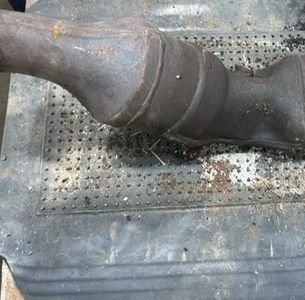
Catalytic converter theft has quietly become one of the most disruptive forces in the scrap car market — and if you're sitting on a junk vehicle in Barrie, it's affecting the number you get quoted today. Whether your converter is still under the car or long gone, understanding what's happening in the market helps you make a smarter decision about what to do next.
If you're looking for cash for cars Barrie, this is the context you need before you make a call.
Why Catalytic Converter Theft Exploded — and What It Did to Scrap Values
Catalytic converters contain platinum group metals (PGMs) — platinum, palladium, and rhodium. These aren't trace amounts. A single converter can hold anywhere from 3 to 7 grams of these metals combined, and at market highs, rhodium alone was trading at multiples of gold per ounce. Thieves figured this out. The result was a dramatic spike in converter theft across North America through the early and mid-2020s.
In Ontario, law enforcement agencies reported sharp increases in converter theft incidents targeting everything from Honda Civics to Chevrolet Trucks to construction equipment. The theft problem forced provincial governments and insurers to respond with documentation requirements, purchase tracking regulations for scrap dealers, and stricter ID checks. Those rules changed the secondary market for converters permanently — even as PGM prices moderated from their peaks.
For scrap car sellers, the ripple effects are real. When a car arrives at a recycling yard with its converter missing, that yard immediately discounts the vehicle. A converter that could add meaningful value to a load is gone — and the buyer knows it before they even look at the rest of the car. Platforms like SMASH help buyers and sellers navigate this by documenting vehicle condition upfront, so there are no surprises at pickup that eat into your payout.
How a Missing Converter Affects What Buyers Will Pay for Your Junk Car
Here's where it gets practical. Scrap buyers price end-of-life vehicles based on a combination of factors: ferrous steel weight, non-ferrous components (aluminum, copper, catalytic converter), and the general state of the vehicle. A typical passenger car weighs between 3,000 and 4,500 pounds. The steel body is the bulk of the value on a per-ton basis. But the catalytic converter punches above its weight.
When buyers quote junk car prices per ton on steel, those numbers reflect commodity markets. When they quote on the full vehicle as a whole unit, they're factoring in the converter's PGM content alongside the steel. Remove the converter — whether by a thief or by a previous owner — and buyers adjust accordingly. Some will reduce the flat offer. Others will ask directly before quoting. Either way, a missing converter costs you money.
What you can do:
- Be upfront. Tell the buyer whether your converter is intact before you get a quote. Honest disclosure leads to a realistic offer — no lowball revision at pickup.
- Document what you have. If your converter is present, photograph it. Buyers on platforms like SMASH use photo documentation and serial tracking to verify condition, which builds buyer confidence and supports better price discovery.
- Don't assume one quote is the market. A single buyer giving you a number over the phone is just one data point. Competition between vetted buyers is what reveals the real market price — for your car, with or without a converter.
If you're ready to move forward, you can schedule a free scrap car pickup and get a quote that reflects your vehicle's actual condition — converter status included.
Scrap Metal Prices Today and the PGM Connection
You've probably searched scrap metal prices today and landed on numbers that seem to shift every time you look. That's because they do. Scrap metal pricing is a live market driven by global demand, currency fluctuations, energy costs, and manufacturing cycles. PGMs — the metals inside your catalytic converter — are even more volatile than bulk steel or aluminum.
In 2026, the PGM market has stabilized somewhat from the extreme highs seen in earlier years, but palladium and platinum still command significant premiums. What matters for a scrap car seller isn't the spot price on a commodity exchange — it's how that price flows through to what a recycler or processor will pay you at the point of transaction. That gap between spot price and actual payout is where transparency matters most.
This is exactly why auction-based platforms change the equation. When multiple vetted buyers compete for your vehicle or your load, the spread between what you'd accept and what the market will actually pay tends to close. More competition means better price discovery. It doesn't guarantee a record price, but it does mean you're not leaving money on the table because you only talked to one person.
For more context on how scrap pricing works in practice, read Canadian scrap car guides that break down the factors that actually move the needle on what you get paid.
What Barrie and Ontario Sellers Should Know Right Now
Barrie sits at the intersection of cottage country traffic and mid-size city density — which means a steady volume of end-of-life vehicles cycling through the local market. Seasonal use patterns, road salt exposure, and the stop-start driving common to Ontario winters accelerate vehicle deterioration. A car that spent five years navigating Barrie winters in a driveway is often further along the end-of-life curve than its age suggests.
For we buy junk cars Barrie searches, the local market has several active buyers — but not all quotes are equal. Some buyers work off a flat rate regardless of condition. Others will factor in the converter, the aluminum content of the wheels and engine block, and current steel prices. Getting multiple offers, even informally, gives you leverage you wouldn't otherwise have.
Ontario regulations around scrap vehicle documentation have tightened in recent years. Recyclers and dismantlers now require proper ownership documentation, and converter purchases come with stricter ID and tracking requirements under provincial anti-theft measures. This isn't a burden for sellers with clean titles — it actually protects you by ensuring legitimate buyers are operating in the space. Working with reputable services connected to platforms like sell your scrap car in Canada means you're dealing with buyers who operate within those frameworks.
If you're exploring local options, take a look at Barrie scrap metal services to find pickup and pricing options specific to your area.
Free Junk Car Removal — What It Actually Includes
One of the most common questions sellers ask is whether free towing actually means free. The short answer: with the right service, yes. Free junk car removal means the tow truck comes to your location — your driveway, a storage lot, a mechanic's yard — and hauls the vehicle at no cost to you. You don't pay for the tow. The buyer absorbs that cost because the vehicle has enough residual value to justify it.
Where sellers get caught out is with services that offer "free towing" but then deduct fees at pickup or revise the quote once they see the vehicle. That bait-and-switch is frustrating and, unfortunately, common enough to be worth watching for. The way to protect yourself is documentation: get your quote confirmed in writing before pickup, make sure the condition you described matches what you've documented, and understand that a missing catalytic converter is a legitimate reason for a price adjustment — but it should be disclosed upfront, not sprung on you at the curb.
For free junk car removal across Canada, the process should be straightforward: describe your vehicle accurately, get a confirmed quote, schedule pickup, hand over the keys and paperwork, and get paid. That's it. No hidden fees, no last-minute revisions based on details you already disclosed.
Making the Right Move With Your End-of-Life Vehicle
Catalytic converter theft complicates the scrap car market, but it doesn't close the door on getting fair value for a vehicle you no longer want. The key is going in with accurate information, documenting what you have, and putting your vehicle in front of more than one buyer. A single cold call to a local wrecker gives you one opinion. A competitive process gives you the market.
Whether your converter is intact, missing, or you're not even sure — describe the vehicle honestly, get it documented, and let buyers compete for it. That's how price discovery actually works. If you're in Barrie or anywhere else in Ontario, the process for selling a junk car should be direct, transparent, and free of surprises at the curb.
When you're ready to move your vehicle, sell your scrap car in Canada — get a free quote at sell-myscrapcar.ca. It costs you nothing to find out what your car is worth today.
Frequently Asked Questions
Q: Does a missing catalytic converter significantly lower my cash for cars Barrie quote?
Yes, it can. Catalytic converters contain valuable platinum group metals that buyers factor into their offers on whole vehicles. If your converter was stolen or removed, disclose this upfront so your quote reflects actual vehicle condition — no surprises at pickup.
Q: How do I know if I'm getting a fair scrap car price in Barrie?
The best way is to get more than one quote. A single buyer's offer is just one data point. When multiple vetted buyers have a chance to compete for your vehicle, you get a clearer picture of what the market will actually pay for your specific car in its actual condition.
Q: Is free junk car removal really free, or are there hidden fees?
With reputable services, it's genuinely free — no towing charges, no admin fees deducted at pickup. The risk is with services that revise their quote on arrival. Protect yourself by getting your offer confirmed before the truck shows up and by being accurate about your vehicle's condition upfront.
Q: What paperwork do I need to sell my scrap car in Ontario?
You'll typically need the vehicle's ownership (title) in your name. Ontario regulations require buyers to record ownership information for scrapped vehicles. If you've lost your ownership, contact ServiceOntario about a replacement before scheduling pickup.
Q: Does the age or make of my car affect scrap metal prices today?
Age affects condition and component value more than the base steel price. Older vehicles may have less aluminum and fewer recoverable parts, while some makes are more sought after for dismantling. The condition of your catalytic converter, the weight of the vehicle, and current commodity prices are usually the biggest drivers of your quote.
Follow SMASH on LinkedIn for scrap metal market updates, industry news, and insights on getting the most from your end-of-life vehicles across North America.